



Students today aren’t just reading from textbooks. Many spend part of their week in internships or co-op programs. Some work on projects with real companies. This gives them a chance to see how things actually run in the workplace.
In tech and finance, digital systems are everywhere. They spot fraud, track risk, and make sure rules are followed. Knowing how these systems work is not optional. It’s something students need before they start a career.
Getting hands-on experience helps in ways lectures cannot. Students learn to handle data, understand automated processes, and make decisions that matter. When they start their first jobs, they’re not guessing—they know how to contribute.

The New Learning Environment
Learning now happens across digital platforms that reflect the systems used in modern workplaces. Universities and corporate training programs are adopting online tools, simulations, and analytics dashboards that replicate real compliance and risk environments.
How Students Gain Practical Experience
These systems allow learners to:
- Explore how fraud detection models and transaction monitoring tools operate
- Observe how risks are flagged, and alerts are generated
- Understand how compliance teams review and act on data signals
For companies, this is a big help. New graduates already know the tools and systems. They can jump in and start doing the work without waiting to learn everything.
How Digital Systems Support Fraud And Compliance Learning
Digital tools are letting students and workers see risk and compliance in action. They can play around in simulations and sandboxes and watch how the system spots sketchy activity and sends alerts. They even get a feel for how patterns in the data show up.
Before, students mostly just read about it or listened in lectures. Everything was fixed, the same every time. Now they can experiment and see what happens when they make different calls. It gives them a sense of the decisions compliance teams face every day, all without using real money or sensitive info.
Training with these environments helps learners build practical skills. They practice navigating dashboards, reviewing sample cases, evaluating data accuracy, and understanding how different factors affect risk assessments. These exercises prepare them to handle complex scenarios in real financial settings.
Read here to dig deeper into how machine learning spots fraud and helps with compliance. There are resources you can check out.
Teaching Data Literacy And Regulatory Awareness
There’s a ton of financial and personal data moving through digital systems these days, and if you don’t know how it’s handled, you’re missing a big part of the picture. Almost every business decision involves data in some way. If you’re working in finance, tech, or business, it’s essential to know the basics of how data is collected, processed, and kept safe.
That’s why many universities and professional programs have started including modules on regulations like GLBA compliance and GDPR. These aren’t just rules to memorize. They show students how data protection actually works in practice. You get to see what companies have to do to stay on the right side of the law and why those steps matter for day-to-day operations. It’s a lot easier to understand when you can see it in action rather than just reading about it in a textbook.
Tools like Usercentrics make all of this click. When a consent banner pops up, they can trace where the data goes, how it’s stored, and how the system stays compliant. Watching it happen in real time makes transparency and data ethics feel practical instead of abstract. It’s no longer just “a regulation”; it’s part of a normal workflow.
Building Skills In Data Analytics And Interpretation
Data analytics and interpretation are a big part of what interns deal with in finance, tech, and compliance. When they use a BI tool like Looker, they’re basically learning how to take a pile of raw numbers and turn it into something they can actually understand.
They can explore the data, notice anything that looks unusual, and build simple dashboards that highlight the key points a team needs to monitor. They also get used to reading information from different sources, such as transaction records, test alerts, and performance summaries, and learning how to interpret everything together.
The practical stuff is what helps. An intern might look at old transactions to see if anything stands out, or check how certain compliance numbers change over time to figure out where a problem might be starting. It shows them how the data connects to real decisions in a business, not just theories on paper.

The Role of AI-enabled Learning
AI is changing both work and learning. Intelligent systems adapt to individual progress, assess understanding, and provide real-time feedback.
Simulation tools can recreate realistic risk and compliance scenarios, allowing students to practice problem-solving in a safe environment.
Learners can:
- Monitor simulated transactions for fraud
- Apply risk rules and adjust thresholds
- Review outcomes and identify areas for improvement
Expanding The Scope Of Digital Learning
As students go through their studies, many end up in internships, co-ops, or small projects. They see how work actually happens. They try things from class in real situations. They make decisions and get a sense of what people expect in a workplace. Sometimes it works, sometimes it doesn’t, and that’s part of learning.
Internships are a place where mistakes are normal. Students might run a risk check, review a set of transactions, or put together a compliance report and realize halfway through that something is off. They get feedback and adjust as they go. Doing it this way helps them connect the theory from school to what really happens on the job. It sticks more when they experience it themselves.
Developing Soft Skills
Technical skills matter, but internships, co-ops, and project work also help build the soft skills people actually use every day in finance, tech, and compliance.
- Critical thinking and problem-solving: Students quickly realize that data doesn’t behave. A report might show one thing, but something feels off. So they dig. Through logs, old files, alerts… Whatever it takes to make sense of it. And sometimes, they get it wrong at first. That’s okay. The point is they start thinking before reacting, instead of just trusting the numbers blindly.
- Communication and collaboration: Doing the work is one thing. Making other people understand it is another. Students have to explain messy results to someone who isn’t technical. Or figure out next steps with a team that sees the problem differently. They learn fast that asking questions beats pretending you know. It saves a ton of headaches.
- Ethical decision-making: Even simulations throw curveballs. Should this case be escalated? How do you handle sensitive data? There’s no clear answer — just what’s responsible. And students learn that sometimes “responsible” is about judgment, not a rule in a manual. These little exercises make abstract concepts feel real.
- Adaptability and resilience: Tools change. Dashboards update. Rules shift. A dataset that was simple yesterday can turn into a headache today. Students learn to roll with it, tweak their approach, and keep going. By the end of an internship, most of them can pivot without freaking out. That confidence sticks.
In the end, the people who mix solid technical skills with clear thinking, good communication, and a sense of responsibility usually find their footing quickly. They understand the data, they work well across teams, and they make decisions that hold up in the real world. Even when everything isn’t perfectly defined.
Supporting Continuous Learning And Credentialing
Universities and industry partners are now adding micro-credentials, digital badges, and professional certifications to their courses. These little certificates give students concrete proof of what they can do. Showing these achievements on a portfolio or LinkedIn profile tells potential employers, “I’m ready for the job,” and helps learners stand out in a crowded market.
Virtual labs and simulation exercises are another big plus. They let students practice over and over in a safe space. You can tweak risk thresholds, interpret tricky data, or respond to simulated compliance alerts. All without any real-world fallout. This kind of hands-on practice really sticks and makes learning more effective.
Bridging Education And Industry Needs
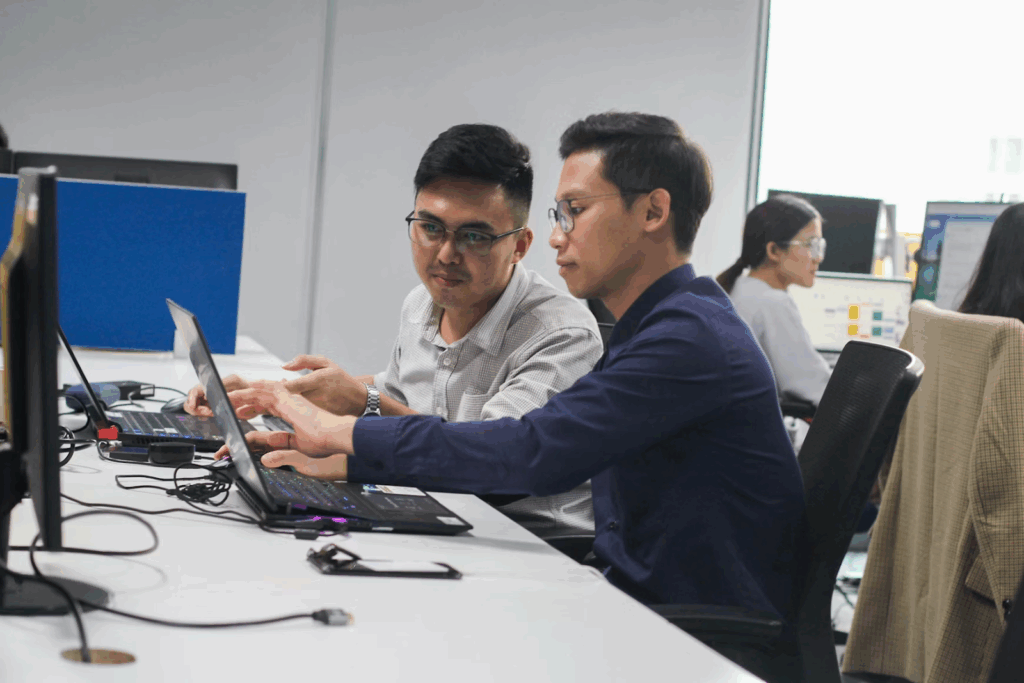
Students no longer sit in classrooms and memorize theories. They learn while completing internships. They take part in co-ops. And some of them even take on small industry projects, and that’s where the work really clicks. This offers exposure to how teams handle tasks, how decisions get made, and how tools actually work in day-to-day projects.
Virtual labs and short certifications let these students practice their future work in a safe space, so by the time they start their first full-time role, they’ve already seen the chaos, the routines, and what it really takes to get things done.
Benefits for Learners
Students get a chance to work with the same tools and systems they’ll see on the job. That might mean dashboards for monitoring risk, platforms for spotting fraud, or tools for pulling together compliance reports. Using them in real scenarios makes the whole thing feel less abstract.
Simulations and real-case exercises give them a real sense of how work actually happens. They see how teams flag suspicious activity, respond to alerts, and handle regulatory rules in real time. It’s one thing to read about it, another to watch it play out or try it themselves.
By the time they start their first job, students feel more ready and understand what’s expected. They know how the tools work and can actually contribute from day one. That confidence makes a huge difference when you’re thrown into the real world for the first time.
Preparing for a Digitally Regulated Future
AI and automation are now part of how a lot of people work. Exploding Topics reports that more than a third of professionals use AI tools every day, and the number is still growing.
Getting hands-on with these tools early makes a big difference in the future success of early-career starters. Suddenly, stepping into a role in risk, fraud, or compliance doesn’t feel so overwhelming because the tech isn’t brand new.
Once they understand how the tools behave, making sense of the data gets a lot easier. They can handle alerts as they come in and still keep everything in line with the rules they have to follow. It just feels more natural when they’ve seen it in action before hitting the real job.
