



Empowerly offers something unique and valuable in the “age of AI”: a human heart.
Change is undeniable, especially in the last few years. Rapid advances in technology have brought students to a new frontier of education, presenting both incredible tools (like shorter FAFSA processing times) and challenges (like AI-generated essays). Ultimately, navigating this landscape—knowing how to use the tools judiciously and the information wisely—requires an experienced guide. That’s exactly where an Empowerly college counselor comes in.
How do we choose our counselors? We don’t take it lightly; being here to help your students at this pivotal time in your life is an incredible privilege. We also know that it takes a special touch (and lots of knowledge) to advise high school students on one of their most critical, high-stakes decisions yet. Our goal is to find the people who love to empower others in every way possible.
So you already know that the depth of experience in our team is immense. At the same time, we recognize that the student’s experience of counseling sessions is intensely personal. We make the family relationship and the student’s connection with their counselor a top priority in our selection process.
To help you meet more of our team and dive beyond the surface, let’s sit down for a casual chat with a few of these amazing folks!
Why a counselor chat?
A counselor spotlight session offers a unique window into the philosophies that drive the Empowerly team.
While each counselor brings a diverse background and set of experiences, the insights from this group reveal a powerful, shared core that defines the Empowerly approach. These common themes are not just buzzwords; they are the bedrock of effective student guidance:
- a student-first philosophy that puts the individual at the center,
- a careful balance of empathy with effective encouragement,
- and a deep-seated commitment to a growth mindset—for both themselves as mentors and the students they guide toward their futures.
Combined, these qualities help students unlock their superpowers. So let’s meet some of the team, in their own words.
About Bob:
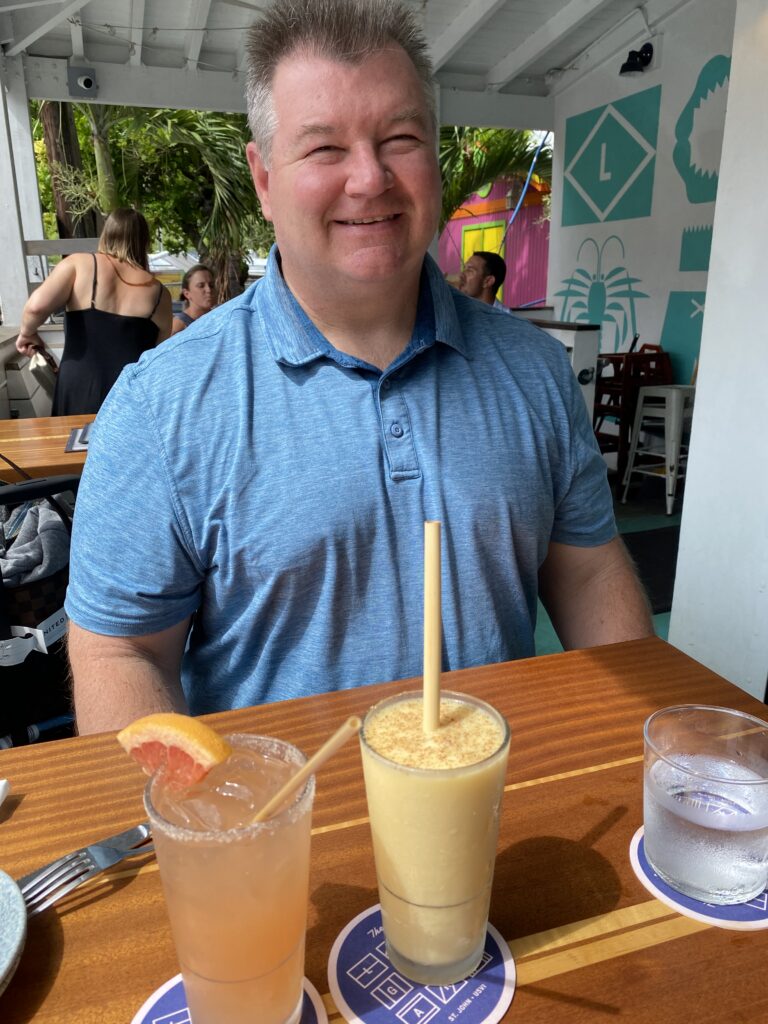
Bob M. holds a bachelor’s degree from the University of Massachusetts, an MBA from Babson College, and, most recently, a certificate in college counseling from UC San Diego.
He is a former college varsity athlete and dedicated advisor whose expertise lies in guiding individuals through the intricate maze of college admissions. Bob aspires to play a meaningful role and impact on the lives of young people through coaching and advising.
How did you hear about Empowerly? How did you get started as a counselor in the first place?
I began my college counseling journey while coaching a high school varsity basketball team. We had players from an inner city who did not know what options were available to them, but knew they wanted a better life. Many of my players went on to play in college, but even more just wanted to get to college. I’m not sure I realized at the time that I was providing college counseling services, but it left an indelible mark on me seeing the difference we made in the lives of these young men. I was a two sport athlete in college and love working with student athletes.
After selling my stake in a healthcare technology company that I founded, I decided to become a full time college counselor, went back to school at UC San Diego and earned a certificate in college counseling. I had learned of Empowerly through contacts in Silicon Valley and liked [the] use of technology in the counseling process. The rest as they say is history.
What experiences do you have that make you a great counselor?
I’m a great listener and know how to meet each student where they are. Counseling is actually quite similar to athletic coaching. You can’t treat every student the same, you must understand what they need in order to be successful. I think I’m particularly good at that.
How would you describe your approach to counseling?
As mentioned above, I really try to meet every student where they are and deliver what they need. Some students need a very hands on approach with structure and accountability, while others will naturally do what is required through the counseling process with relatively less guidance. Students who work with me know that I will be their advocate, I will be honest with them and I will do everything I can to help them find the best college or university for them.
Do you have a particular student success story to share?
Many people would cite a top student who went on to a very elite university. I have those stories too, but often the students I am most proud of are the ones who struggle the most. For example, I worked with a low income, first generation student who struggled in the classroom. I charted a course for him that began in community college and ended with a graduation from a local state college. I feel like the difference I made in his life is much greater than what we experience with our more traditional students who are fully prepared for college.
What is something you’ve learned from your students?
Patience! We are dealing with high school students and some of them still operate on their own sense of time. We need to adjust and move forward in a positive way when they are late or miss deadlines.
One piece of advice you would tell students now?
I speak at WACAC on the difference between high school graduation requirements and college entrance requirements. Engage early in your high school career to make sure you take the right courses to set yourself up for success in the admissions process.
What is a piece of life advice that impacted you?
It’s not how many times you fall down, it’s whether you choose to get up.
Do you have a favorite college experience?
I studied abroad in Ecuador and Venezuela (prior to socialism) and I had never been out of the country before. To say that this experience changed my life is still an understatement all these years later.
About Jennifer:
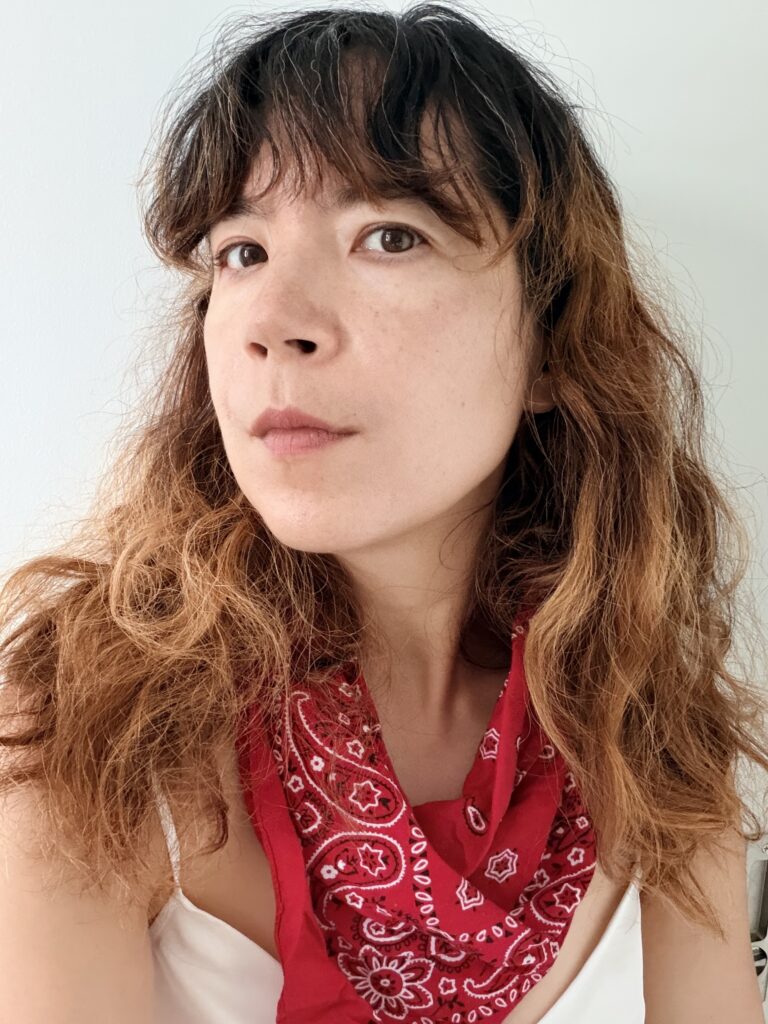
A former Ivy League Admissions Officer turned College Admissions Counselor, Jennifer L.’s 20+ years of experience in admissions is invaluable to students. She is also one of the longest standing employees of Empowerly, having joined the organization in its earliest form. Annually her students are accepted into every Top 20 program, setting her apart as a dedicated mentor and counselor who knows the college admissions field inside and out.
How did you get started as a counselor in the first place?
I fell into it! My career began in reviewing undergraduate applications at my alma mater, UPenn, and extended to teaching SAT, ACT, GRE and the LSAT at The Princeton Review, while a director of their Southern Florida office. As a Live Grader Analyst for TPR, I graded 80,000+ essays, including SAT, MCAT, GMAT, and GRE.
Attending the Newark Teaching Fellowship, I earned my K-5 and Special Education teaching certification, while teaching, before becoming a founding member of Bright Kids, the nation’s first kindergarten test prep company. There I collaborated in the development of K-12 tutoring and K-12 admissions curriculums and publications, leading to large score increases of our students across IQ-related tests.
For the last decade, I have worked privately as an Admissions Counselor and am the Lead Essay Editor at the highly selective USC Bovard Scholars. There I support high achieving, underrepresented high schoolers with a median household income of $35K. I am also the Curriculum Developer of USC’s Pre-Med Academy, and I serve on the Advisory Panel at PrepScholar. I am also a former host of Accepted!, a popular international college admissions podcast, where I shared college admissions insights and updates, regularly interviewing former/current Admissions Officers and Readers, industry professionals, and past students.
How would you describe your approach to counseling?
My approach to university admissions counseling is grounded in experience, transparency, and long term strategy. I draw on more than twenty years of work in college admissions, including time in the admissions offices at the University of Pennsylvania and the University of Southern California, as well as years spent collaborating with former directors and senior admissions officers from every Top 20 university. That background informs every recommendation I make and ensures that my guidance reflects how applications are actually read and evaluated, not how the process is often imagined from the outside.
Students can expect a highly personalized, developmental approach. I help students think intentionally about their academic and extracurricular choices starting as early as ninth grade, with an emphasis on depth, authenticity, and alignment with institutional priorities. As students move into the application years, my focus shifts to helping them articulate their experiences through thoughtful, well crafted essays that clearly communicate who they are, what they value, and how they will contribute to a campus community. Throughout the process, I aim to demystify admissions, reduce anxiety, and give students and families a clear framework for making smart, informed decisions at every stage of the journey.
Do you have a particular student success story to share?
What is something you’ve learned from your students?
I am constantly inspired by the students I work with in the college admissions process. Their optimism is contagious. Even when they are overwhelmed by expectations or uncertainty, they show up with a belief that effort matters and that their future is something worth building with care. Their ownership of their goals and personal values personally reminds me why my work is so meaningful.
What inspires me most is their work ethic and sense of purpose. Many of my students balance demanding coursework, family responsibilities, and extracurricular commitments, yet they approach each challenge with intention and integrity. They are ambitious without being entitled, driven without losing empathy, and deeply invested in using their education to contribute something positive to the world. Their curiosity, resilience, and good intentions continually reset my own perspective. Working alongside them keeps me hopeful and grounded, and it challenges me to bring the same level of care, honesty, and commitment to my role as they bring to theirs.
One piece of advice you would tell students now?
Be yourself! Don’t try to game the system by stacking up honors, publications, “foundings,” etc. Admissions Officers are smart. We’ve seen everything and can tell when students’ ambitions and accomplishments are genuine and earned. Instead, follow your intuitions and curiosities. This will be picked up on in your application!
What is a piece of life advice that impacted you?
“Never go to sleep angry.” My grandfather granted me this advice ahead of my marriage, but this guidance pertains to everything – whether a dispute you’ve had with friends, or at work. Prioritize your issues and engage in open communication right away, so that you, nor anyone else involved, need to trouble themselves with sleepless nights.
Do you have a favorite college experience?
I loved all of my freshmen year! There was so much to discover, so many people to meet and befriend. It was an incredible rush, and although I didn’t always know what I was doing, as I didn’t receive much preparation for college as a first generation student, I am grateful for the freedom and encouragement Penn offered me in its programming and supportive staff. I hope that all of my students experience the same!
About Lidiana:
Lidiana R. has 20 years of experience in college consulting with a focus on pre-med, pre-law, and business students.
Her students have been admitted to the nation’s most selective institutions, including every Ivy League university, Stanford, MIT, Duke, Northwestern, UChicago, and top liberal arts colleges, as well as leading public universities and state flagships. What’s more, her students have worked with professors at institutions like Duke to conduct independent research and have done summer programs ranging from MITES at MIT to Telluride.
How did you hear about Empowerly? How did you get started as a counselor in the first place?
My work in U.S. admissions began while I was living in London, England. I started working with international and American students who wanted to apply to universities in the United States, and I quickly realized how complex and opaque the American system can feel, especially from abroad. Helping those families understand the process introduced me more formally to education as a professional calling.
Later, I taught AP Microeconomics and AP Macroeconomics, which immersed me in the world of high-stakes high school education. Supporting students through rigorous coursework and national exams gave me firsthand insight into academic pressure and resilience. I saw how capable students were, and how much clearer and more confident they became when someone helped them understand both the strategy and the bigger picture.
Over time, I found that my greatest impact wasn’t just academic preparation. It was helping students connect their interests, their values, and their voice into a coherent direction. That is what ultimately led me to focus fully on college counseling.
What experiences do you have that make you a great counselor?
I have worked with students across very different contexts, public and private schools, first-generation families, high-achieving students aiming for highly selective institutions, and students who begin the process feeling unsure or anxious.
I am also a mother and a doctoral student in educational leadership. Those roles have shaped how I approach this work. I understand the emotional weight families carry. I understand adolescent development. And I understand the institutional side of education.
What makes me effective is not only knowledge of the admissions landscape. It is my ability to listen carefully and read between the lines to sense what a student is excited about, what they are avoiding, and what they may not yet see in themselves. Students often come to me thinking they need to become “impressive.” What we do instead is help them become clear and confident.
How would you describe your approach to counseling?
My approach is personal, strategic, and reflective.
I do not believe in cookie-cutter plans or résumé inflation. I believe in thoughtful development. We look at academic rigor, intellectual curiosity, meaningful engagement, and emotional readiness.
Students can expect structure and accountability but also warmth. I challenge them when needed. I slow them down when they are rushing. I protect their voice and help them articulate who they truly are.
The college process should not just produce acceptances. It should produce growth.
Do you have a particular student success story to share?
One student who stands out. After ninth grade, she worked as a summer camp counselor and became deeply interested in how preschool children develop fine motor skills. Instead of letting that curiosity fade, she designed a self-directed research project to explore early childhood motor development more intentionally.
That exploration led her to found an after-school club where created and introduced playful, skill-building activities for younger children in the community. What began as curiosity evolved into leadership and impact. The club grew in participants and more volunteers became invested, and the program meaningfully supported families. What mattered most was not simply her impressive college outcomes, though they were outstanding, but the personal satisfaction she felt building something authentic. Her initiative was not performative. It was rooted in genuine interest.
Another student began our work adamant that he would not leave home for college. He struggled with anxiety and avoided eye contact during our early meetings. I did not push. Instead, we built trust gradually. I encouraged him to try a short summer program close to home, where his mother stayed nearby at first. It was not perfect, but he completed it successfully.
Today, he is a thriving university junior, living independently and deeply engaged in campus life.
Those moments when students expand their sense of what they can handle are the ones that stay with me.
What is something you’ve learned from your students?
I have learned that growth is rarely linear. Students advance, retreat, try again, and slowly build confidence.
I have also learned that belief matters. When students sense that you truly see their potential and not just their transcript, something shifts. They begin to take themselves more seriously.
Sometimes our faith in them becomes the bridge between who they are and who they are becoming.
One piece of advice you would tell students now?
You do not have to have everything figured out.
Clarity comes from action. Try something. Reflect. Adjust. Change direction if needed.
Your job is not to manufacture an impressive version of yourself. Your job is to become honest about what interests you and brave enough to pursue it with consistency.
What is a piece of life advice that impacted you?
“Don’t rush the becoming.”
Growth has seasons. Some of the most important development happens quietly, before results are visible. I remind my students of that often. The process itself is shaping them.
College counseling in 2026
The insights from this group of counselors highlight a few common themes that define the Empowerly approach: a student-first philosophy, a balance of empathy with effective encouragement, and a commitment to a growth mindset for both themselves and the students they guide.
As a united team, the phenomenal counselor community at Empowerly deeply understands the importance of each unique student’s journey. If you’re ready to start your own journey with this level of expert guidance, all you have to do is ask. Book a free consultation below to receive a customized recommendation for your college application plan.
