Applications
800 SAT Score: Is it good? And what colleges accept it?

The SAT is an important part of the college admissions process, but every time you retake the test, you need to invest a lot of extra time and energy, so it's natural to wonder if your 800 SAT score is good enough. It's not the lowest possible score (you'll receive 400 points for a test without any correct answers), but you may have hoped for something higher.
If you’re wondering whether you need to retake the SAT or not, Empowerly can help. In this guide, we’ll break down what an 800 SAT score really means, suggest colleges where you may still be competitive, and provide insights into whether retaking the exam is a good idea for you.
What Does an 800 SAT Score Mean?
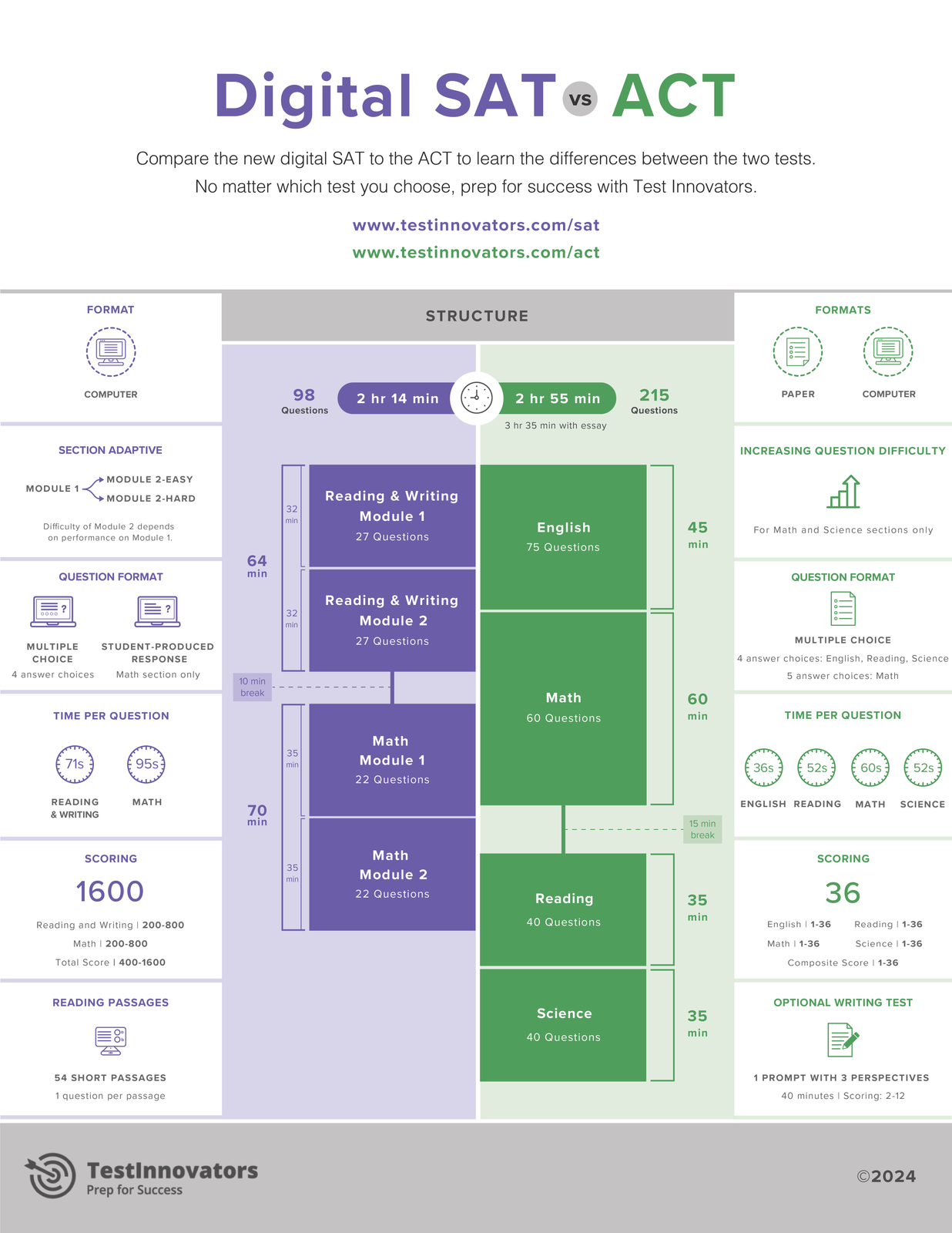
The SAT is scored out of 1600. It has two sections — Reading and Writing and Math — that each contribute up to 800 points. Your final SAT score is calculated by adding your points on both sections together. An 800 SAT score represents your total score across both sections combined.
According to College Board data from the Class of 2025, the national average SAT score is around 1024–1050. An 800 SAT score places you in approximately the 8th percentile, meaning about 92% of test-takers scored higher. Depending on the colleges you're looking at, this score can present some admissions challenges.
However, while an 800 is below average, colleges look at more than just standardized test scores during the admissions process — so you may still stand a chance.
So, Is 800 a Good SAT Score?
Unfortunately, by most standards, an 800 is not considered a competitive SAT score. Top-tier colleges generally look for scores well above 1200, and the most selective schools look for applicants who score within the 1400–1600 range. However, an 800 doesn't completely rule out your chances of getting into college. Plenty of colleges have more flexible admissions policies, and test scores are only one factor in admissions decisions.
Additionally, more than 2,000 U.S. colleges and universities remained test-optional or test-free for the Class of 2026, according to FairTest. This means they don't require SAT or ACT scores for admission. If you have strong extracurriculars, a solid GPA, and other achievements, you can choose not to submit your 800 SAT score — and you could still be accepted.

Colleges That Accept an 800 SAT Score
While it may seem like your options are limited, there are still many colleges where you can apply with an 800 SAT score. Most of these have a holistic admissions process, where your full application matters more than just your test scores. Many are also Historically Black Colleges and Universities (HBCUs), which have long led the way in looking beyond test scores to see the full student.
Below are 35 schools where an 800 SAT score gives you a fighting chance — organized into the 10 originally featured programs, followed by 25 additional options new for 2026.
1. Texas Southern University
- Average SAT Score: 810–990
- Average GPA: 2.9
- Acceptance Rate: ~90%
- Location: Houston, TX
- Average Tuition Cost: ~$9,500 (in-state), ~$22,200 (out-of-state)
- Test Policy: Test-optional for 2026 admissions
Why You Can Still Be Competitive: Texas Southern University is a historically Black university that prides itself on expanding access to higher education for students from all backgrounds. TSU takes a holistic approach to admissions, meaning they consider more than just test scores. If your application includes strong personal essays, letters of recommendation, extracurricular involvement, and community service, your SAT score won't weigh as heavily. TSU's high acceptance rate reflects its commitment to helping students prove their academic potential in a supportive environment.
2. Delaware State University
- Average SAT Score: 860–1070
- Average GPA: 3.19
- Acceptance Rate: ~62%
- Location: Dover, DE
- Average Tuition Cost: ~$8,700 (in-state), ~$18,700 (out-of-state)
- Test Policy: Test-optional
Why You Can Still Be Competitive: Delaware State University is a historically Black university that values diversity, leadership, and community engagement. While an 800 SAT score is below their average, DSU looks for well-rounded students who have demonstrated resilience, leadership, and ambition. If you can showcase your motivation and maturity in other parts of your application — through essays, GPA, and leadership roles — you may still be a competitive applicant.
3. Bowie State University
- Average SAT Score: 870–1060
- Average GPA: 3.18
- Acceptance Rate: ~84%
- Location: Bowie, MD
- Average Tuition Cost: ~$8,900 (in-state), ~$19,800 (out-of-state)
- Test Policy: Test-optional
Why You Can Still Be Competitive: Bowie State University, part of the University System of Maryland, offers a range of academic programs and is known for supporting first-generation and underrepresented students. The university's admissions process is specifically designed to look beyond standardized tests to explore a student's full potential. Bowie State is test-optional, so you can focus your application on your GPA, essays, and leadership. Bowie State also offers extensive academic support services, so if you struggled academically in high school, Bowie State can help you succeed at the college level.
4. Southern University at New Orleans (SUNO)
- Average SAT Score: 850–1080
- Average GPA: 2.7
- Acceptance Rate: ~72%
- Location: New Orleans, LA
- Average Tuition Cost: ~$7,900 (in-state), ~$17,200 (out-of-state)
- Test Policy: Test-optional
Why You Can Still Be Competitive: Southern University at New Orleans is a public, historically Black university with a mission of making higher education accessible to all. They recognize that standardized test scores don't always reflect a student's full potential. SUNO looks at other parts of your application, such as your personal statement and high school GPA, to gauge your likelihood of success. If you can show a passion for learning and a commitment to your future goals, SUNO may be willing to give you a chance, even with an 800 SAT score.
5. Paine College
- Average SAT Score: 798–943
- Average GPA: 2.56
- Acceptance Rate: ~52%
- Location: Augusta, GA
- Average Tuition Cost: ~$14,500
- Test Policy: Test-optional
Why You Can Still Be Competitive: Paine College is a small, private, historically Black college that focuses on providing a nurturing academic environment. The admissions process considers your GPA, extracurricular involvement, and personal qualities, and SAT scores are optional. Paine places a significant emphasis on personal growth and integrity, making it a viable option for students who may have struggled with standardized tests but excel in other areas. Showcasing your dedication to personal development and service can strengthen your application.
6. University of Texas at El Paso (UTEP)
- Average SAT Score: 870–1090
- Average GPA: 3.28
- Acceptance Rate: ~99%
- Location: El Paso, TX
- Average Tuition Cost: ~$9,900 (in-state), ~$25,400 (out-of-state)
- Test Policy: Test-optional (writing sample accepted in lieu of SAT)
Why You Can Still Be Competitive: UTEP is a public research university that offers broad access to higher education, particularly for first-generation students. With a near-100% acceptance rate, UTEP welcomes a wide range of students, including those with lower SAT scores. UTEP is a test-optional school, and you can submit a strong writing sample in lieu of the SAT. UTEP prioritizes student success, offering extensive support services — from tutoring to career counseling — to help students thrive, regardless of their starting point.
7. Voorhees University
- Average SAT Score: ~810
- Average GPA: 2.0
- Acceptance Rate: ~50%
- Location: Denmark, SC
- Average Tuition Cost: ~$13,100
- Test Policy: Test-optional
Why You Can Still Be Competitive: Voorhees University (formerly Voorhees College, renamed in 2022) is a private, historically Black institution committed to student success. If you demonstrate a strong work ethic, leadership abilities, and dedication to your community, Voorhees is likely to consider your full profile, despite a low SAT score. The school is focused on helping students reach their potential through small class sizes, academic support programs, mentorship, and personal growth opportunities.
8. Cheyney University of Pennsylvania
- Average SAT Score: 830–1070
- Average GPA: 2.37
- Acceptance Rate: ~74%
- Location: Cheyney, PA
- Average Tuition Cost: ~$11,200 (in-state), ~$16,600 (out-of-state)
- Test Policy: Test-optional
Why You Can Still Be Competitive: Cheyney University, the nation's first historically Black university (founded 1837), has a mission to provide educational opportunities to students who may not have access to other institutions. Cheyney places a strong emphasis on character, personal essays, and letters of recommendation. An 800 SAT score won't necessarily disqualify you, especially if you demonstrate leadership potential, resilience, and a passion for learning. Cheyney also offers robust student support services to ensure all students can succeed once admitted.
9. University of Arkansas at Pine Bluff (UAPB)
- Average SAT Score: 878–1043
- Average GPA: 2.9
- Acceptance Rate: ~58%
- Location: Pine Bluff, AR
- Average Tuition Cost: ~$8,500 (in-state), ~$15,900 (out-of-state)
- Test Policy: Test-optional
Why You Can Still Be Competitive: UAPB is a public HBCU with a mission to help students from underserved communities succeed in higher education. UAPB takes a holistic approach to admissions and is known for giving students the chance to prove their academic capabilities. If you have demonstrated perseverance, a strong work ethic, and a commitment to your education, UAPB will seriously consider you, despite a lower SAT score.
10. Western Kentucky University (WKU)
- Average SAT Score: 940–1130
- Average GPA: 3.49
- Acceptance Rate: ~97%
- Location: Bowling Green, KY
- Average Tuition Cost: ~$11,200 (in-state), ~$27,600 (out-of-state)
- Test Policy: Test-optional
Why You Can Still Be Competitive: WKU is known for providing a welcoming environment for students from varying academic backgrounds. With an acceptance rate of about 97%, they are open to students who may not meet higher SAT score benchmarks but show potential in other areas. WKU is test-optional and considers factors such as GPA, extracurriculars, and personal essays in their admissions process. If you can demonstrate academic growth, involvement in your school or community, and the motivation to succeed, you'll be given a chance. WKU also offers programs designed to help students improve academically once they're admitted.
11. Albany State University
- Average SAT Score: 820–980
- Average GPA: 2.9
- Acceptance Rate: ~90%
- Location: Albany, GA
- Average Tuition Cost: ~$6,700 (in-state), ~$19,700 (out-of-state)
- Test Policy: Test-optional
Why You Can Still Be Competitive: Albany State University is an HBCU in southwest Georgia with a mission to provide affordable, accessible education to students from diverse backgrounds. Albany State's test-optional policy and focus on holistic admissions mean that a strong GPA, essays, and extracurricular involvement can make you competitive even with an 800 SAT score. The school is especially welcoming to first-generation college students.
12. Chicago State University
- Average SAT Score: 810–990
- Average GPA: 2.8
- Acceptance Rate: ~50%
- Location: Chicago, IL
- Average Tuition Cost: ~$11,300 (in-state), ~$22,500 (out-of-state)
- Test Policy: Test-optional
Why You Can Still Be Competitive: Chicago State University is a predominantly Black institution (PBI) and the only four-year university on Chicago's South Side. CSU focuses on serving urban students — especially working adults and first-generation college students — and takes a holistic admissions approach. If your essays and GPA reflect your academic potential, a low SAT score won't lock you out.
13. South Carolina State University
- Average SAT Score: 830–990
- Average GPA: 3.0
- Acceptance Rate: ~89%
- Location: Orangeburg, SC
- Average Tuition Cost: ~$11,700 (in-state), ~$23,500 (out-of-state)
- Test Policy: Test-optional
Why You Can Still Be Competitive: South Carolina State University, South Carolina's only public HBCU, is known for its nurturing academic environment and strong ROTC, business, and engineering technology programs. SC State looks at the whole applicant — your GPA, leadership, and personal qualities. A student with an 800 SAT but strong essays and extracurriculars has a realistic path to admission.
14. Morgan State University
- Average SAT Score: 920–1090
- Average GPA: 3.2
- Acceptance Rate: ~91%
- Location: Baltimore, MD
- Average Tuition Cost: ~$8,700 (in-state), ~$19,200 (out-of-state)
- Test Policy: Test-optional
Why You Can Still Be Competitive: Morgan State University is Maryland's preeminent public urban research university and a top-tier HBCU. While Morgan's average SAT is higher than 800, the school's holistic, test-optional admissions review means students with strong GPAs, leadership, and community service can still be competitive. Morgan is also generous with merit scholarships for admitted students.
15. Jackson State University
- Average SAT Score: 830–970
- Average GPA: 3.2
- Acceptance Rate: ~78%
- Location: Jackson, MS
- Average Tuition Cost: ~$9,100 (in-state), ~$10,200 (out-of-state)
- Test Policy: Test-optional
Why You Can Still Be Competitive: Jackson State University is one of the largest HBCUs in the U.S. and Mississippi's only urban research university. Jackson State is known for its vibrant campus culture, its "Sonic Boom of the South" marching band, and strong undergraduate programs. The school's test-optional policy and affordable out-of-state tuition make it an attractive choice for students with an 800 SAT who have demonstrated academic growth and extracurricular involvement.
16. Norfolk State University
- Average SAT Score: 850–1010
- Average GPA: 3.0
- Acceptance Rate: ~87%
- Location: Norfolk, VA
- Average Tuition Cost: ~$9,900 (in-state), ~$22,400 (out-of-state)
- Test Policy: Test-optional
Why You Can Still Be Competitive: Norfolk State University is one of the largest HBCUs in Virginia and is known for its strong STEM programs, especially in computer science and cybersecurity. NSU admits students based on a holistic review that factors in GPA, essays, and community involvement. The school's supportive environment helps students transition successfully into college-level coursework.
17. Prairie View A&M University
- Average SAT Score: 880–1050
- Average GPA: 3.1
- Acceptance Rate: ~76%
- Location: Prairie View, TX
- Average Tuition Cost: ~$11,900 (in-state), ~$27,100 (out-of-state)
- Test Policy: Test-optional
Why You Can Still Be Competitive: Prairie View A&M University is a public HBCU in the Texas A&M University System, known for its strong engineering, nursing, and agricultural programs. PVAMU takes a holistic approach to admissions and offers a range of support programs for first-generation and underrepresented students. A strong GPA and clear demonstration of leadership will weigh heavily in your favor.
18. Grambling State University
- Average SAT Score: 840–990
- Average GPA: 2.9
- Acceptance Rate: ~86%
- Location: Grambling, LA
- Average Tuition Cost: ~$8,300 (in-state), ~$19,600 (out-of-state)
- Test Policy: Test-optional
Why You Can Still Be Competitive: Grambling State University is a public HBCU famous for its football program, "World Famed Tiger Marching Band," and business, criminal justice, and education programs. Grambling is test-optional and focuses on a student's full profile — GPA, essays, recommendations, and community impact all carry weight.
19. Tennessee State University
- Average SAT Score: 880–1010
- Average GPA: 3.2
- Acceptance Rate: ~58%
- Location: Nashville, TN
- Average Tuition Cost: ~$9,500 (in-state), ~$23,900 (out-of-state)
- Test Policy: Test-optional
Why You Can Still Be Competitive: Tennessee State University is Nashville's only public HBCU and offers more than 40 bachelor's degree programs. The school serves a diverse student body and is known for its engineering, agriculture, and music programs. TSU considers multiple factors beyond SAT scores, making it a strong option for students with lower test scores but a compelling story.
20. Central State University
- Average SAT Score: 810–980
- Average GPA: 2.7
- Acceptance Rate: ~85%
- Location: Wilberforce, OH
- Average Tuition Cost: ~$7,600 (in-state), ~$8,500 (out-of-state)
- Test Policy: Test-optional
Why You Can Still Be Competitive: Central State University is Ohio's only public HBCU and one of the most affordable in the country — notably offering the same tuition rate to out-of-state students as in-state through its HBCU Advantage program. CSU's open-door admissions philosophy and low tuition make it one of the most accessible four-year universities in the Midwest.
21. Alcorn State University
- Average SAT Score: 840–990
- Average GPA: 3.1
- Acceptance Rate: ~43%
- Location: Lorman, MS
- Average Tuition Cost: ~$7,600 (in-state), ~$7,600 (out-of-state)
- Test Policy: Test-optional
Why You Can Still Be Competitive: Alcorn State University is the oldest public HBCU in the U.S. and offers uniform in-state tuition rates to all students regardless of residency. Alcorn State's rural campus provides a close-knit, supportive environment, and the admissions team values leadership, character, and academic growth over test scores alone.
22. Alabama State University
- Average SAT Score: 810–970
- Average GPA: 2.9
- Acceptance Rate: ~97%
- Location: Montgomery, AL
- Average Tuition Cost: ~$11,700 (in-state), ~$21,400 (out-of-state)
- Test Policy: Test-optional
Why You Can Still Be Competitive: Alabama State University is a public HBCU in Alabama's capital with a near-universal acceptance rate. ASU's mission centers on educational access, and the school actively supports first-generation college students. A strong GPA and compelling personal essay can outweigh a lower SAT score.
23. Fort Valley State University
- Average SAT Score: 820–960
- Average GPA: 3.0
- Acceptance Rate: ~86%
- Location: Fort Valley, GA
- Average Tuition Cost: ~$6,500 (in-state), ~$19,400 (out-of-state)
- Test Policy: Test-optional
Why You Can Still Be Competitive: Fort Valley State University is a public HBCU in central Georgia known for its agriculture, veterinary technology, and business programs. Fort Valley's test-optional policy and small class sizes make it a great option for students who learn best in supportive environments.
24. Fayetteville State University
- Average SAT Score: 850–1010
- Average GPA: 3.2
- Acceptance Rate: ~76%
- Location: Fayetteville, NC
- Average Tuition Cost: ~$5,500 (in-state), ~$17,400 (out-of-state)
- Test Policy: Test-optional
Why You Can Still Be Competitive: Fayetteville State University is part of the University of North Carolina system and is one of the most affordable HBCUs in the country. FSU has a large population of military-affiliated students (thanks to its proximity to Fort Liberty) and takes a holistic approach to admissions.
25. Elizabeth City State University
- Average SAT Score: 840–1010
- Average GPA: 3.2
- Acceptance Rate: ~69%
- Location: Elizabeth City, NC
- Average Tuition Cost: ~$3,400 (in-state), ~$7,400 (out-of-state)
- Test Policy: Test-optional
Why You Can Still Be Competitive: Elizabeth City State University is another UNC-system HBCU and part of the NC Promise program, which caps in-state tuition at $500 per semester and out-of-state tuition at $2,500 per semester — making it one of the most affordable four-year universities in the United States. ECSU's affordability plus its test-optional admissions policy create an ideal opportunity for students with lower SAT scores.
26. Kentucky State University
- Average SAT Score: 820–990
- Average GPA: 2.9
- Acceptance Rate: ~37%
- Location: Frankfort, KY
- Average Tuition Cost: ~$9,700 (in-state), ~$13,700 (out-of-state)
- Test Policy: Test-optional
Why You Can Still Be Competitive: Kentucky State University is a small public HBCU in Kentucky's capital city. Because of its relatively small size, KSU offers personalized admissions review and strong academic support. Its low out-of-state premium makes it a hidden gem for students outside Kentucky.
27. Lincoln University of Missouri
- Average SAT Score: 830–1010
- Average GPA: 3.1
- Acceptance Rate: ~81%
- Location: Jefferson City, MO
- Average Tuition Cost: ~$8,600 (in-state), ~$16,100 (out-of-state)
- Test Policy: Test-optional
Why You Can Still Be Competitive: Lincoln University of Missouri is a public HBCU founded in 1866 by Civil War veterans. Lincoln U offers programs in nursing, agriculture, education, and business. The test-optional policy lets students with lower SAT scores be evaluated holistically on their GPA, essays, and extracurricular involvement.
28. Metropolitan State University of Denver (MSU Denver)
- Average SAT Score: 920–1130
- Average GPA: 3.2
- Acceptance Rate: ~100%
- Location: Denver, CO
- Average Tuition Cost: ~$9,400 (in-state), ~$24,100 (out-of-state)
- Test Policy: Test-optional (open admissions)
Why You Can Still Be Competitive: Metropolitan State University of Denver has an open admissions policy for Colorado residents who meet the state's Higher Education Admission Requirements, and a generous admissions approach for out-of-state students. MSU Denver is one of Colorado's largest universities and is known for serving working adults, veterans, and first-generation college students.
29. California State University, Bakersfield
- Average SAT Score: 830–1080
- Average GPA: 3.3
- Acceptance Rate: ~85%
- Location: Bakersfield, CA
- Average Tuition Cost: ~$7,800 (in-state), ~$19,700 (out-of-state)
- Test Policy: Test-free (does not use SAT/ACT at all for admissions)
Why You Can Still Be Competitive: CSU Bakersfield — like all Cal State schools — is now test-free, meaning they don't consider SAT or ACT scores at all for admissions. If you're applying from within California and meet the CSU eligibility requirements, your 800 SAT is a non-issue. All California State Universities use the "CSU Eligibility Index" based on GPA and (optionally) course rigor.
30. San Francisco State University
- Average SAT Score: 970–1220
- Average GPA: 3.4
- Acceptance Rate: ~92%
- Location: San Francisco, CA
- Average Tuition Cost: ~$7,500 (in-state), ~$19,400 (out-of-state)
- Test Policy: Test-free
Why You Can Still Be Competitive: San Francisco State University is one of the largest and most diverse public universities in California. Like all CSU schools, SFSU is test-free, meaning your 800 SAT won't factor into the decision at all. Your GPA and course rigor are what admissions officers review. SFSU's urban location, strong programs in communication, business, and the arts, and thriving diverse community make it a standout option.
31. Grand Valley State University
- Average SAT Score: 1030–1230
- Average GPA: 3.6
- Acceptance Rate: ~91%
- Location: Allendale, MI
- Average Tuition Cost: ~$14,400 (in-state), ~$20,500 (out-of-state)
- Test Policy: Test-optional
Why You Can Still Be Competitive: Grand Valley State University is a public research university in western Michigan that admits most applicants who meet the basic GPA threshold. GVSU is test-optional and focuses on overall academic performance, essays, and extracurricular engagement. The school is especially strong in nursing, engineering, and liberal arts.
32. Northeastern Illinois University
- Average SAT Score: 820–990
- Average GPA: 3.0
- Acceptance Rate: ~80%
- Location: Chicago, IL
- Average Tuition Cost: ~$11,400 (in-state), ~$22,800 (out-of-state)
- Test Policy: Test-optional
Why You Can Still Be Competitive: Northeastern Illinois University is a federally designated Hispanic-Serving Institution (HSI) and Minority-Serving Institution (MSI) located in Chicago. NEIU is known for serving working adults and first-generation students and is one of the most diverse universities in the Midwest. The school's test-optional policy and commitment to access make an 800 SAT score a minor factor at most.
33. Coppin State University
- Average SAT Score: 820–990
- Average GPA: 3.0
- Acceptance Rate: ~43%
- Location: Baltimore, MD
- Average Tuition Cost: ~$7,100 (in-state), ~$14,100 (out-of-state)
- Test Policy: Test-optional
Why You Can Still Be Competitive: Coppin State University is a public HBCU in Baltimore that focuses on urban education, nursing, criminal justice, and social work. Coppin's small size and community-focused mission make it a great fit for students who want individualized attention. Even with a lower acceptance rate, the school's holistic review means an 800 SAT paired with a strong GPA and personal story can still win admission.
34. Lane College
- Average SAT Score: 800–950
- Average GPA: 2.7
- Acceptance Rate: ~44%
- Location: Jackson, TN
- Average Tuition Cost: ~$12,100
- Test Policy: Test-optional
Why You Can Still Be Competitive: Lane College is a small private HBCU in western Tennessee with a commitment to educating students from underserved communities. With an average SAT range that starts around 800, this school is one of the few where your SAT won't raise admissions-office concerns. Lane focuses on student development, mentorship, and small-class personalized learning.
35. Johnson C. Smith University
- Average SAT Score: 830–1010
- Average GPA: 3.0
- Acceptance Rate: ~41%
- Location: Charlotte, NC
- Average Tuition Cost: ~$19,400
- Test Policy: Test-optional
Why You Can Still Be Competitive:Johnson C. Smith University is a private HBCU in Charlotte with a strong liberal arts focus. JCSU's admissions process weighs character, leadership, and community involvement alongside academics. A thoughtful essay and strong teacher recommendations can compensate for a lower SAT score.??
Should You Retake the SAT?
If an 800 SAT score doesn't align with your college goals, retaking the test might be a good idea. Many students improve their scores by studying the specific areas where they performed poorly. You could also explore whether the ACT would be a better fit for your abilities and learning style.
Timing also plays a key role in deciding whether you should retake the SAT. Registration, studying, and retaking the exam requires significant effort. So, if it’s already September of your senior year, you may want to redirect your energy towards other aspects of your college applications. However, if you are a junior, you have plenty of time to retake the SAT or try the ACT.
Finally, consider the schools you are interested in. What are their admissions requirements and average SAT scores? Do they have a holistic admissions process? Do you have a strong GPA and well-rounded extracurriculars that can balance out that 800 SAT score? Weigh all these factors.
If you believe a higher SAT score will significantly improve your chances of getting into your preferred colleges, then retaking the test could be worth it. Just make sure that you have enough time to study; otherwise, you may not see a meaningful difference in your scores.
Tips for Retaking the SAT
If you do decide to retake the SAT, prepare carefully beforehand so that you can maximize your chances of improving your scores. Try these tips for retaking the SAT:
- Practice Tests. Take official SAT practice tests to help you identify areas of improvement and guide your studying.
- SAT Prep Books. Use resources like the College Board’s SAT prep books to help you prepare.
- Tutoring. Enroll in an SAT prep course or hire a one-on-one tutor for personalized support.
- Time Management Practice time management strategies to ensure you have enough time to complete each section without rushing.
- Strategic Study Techniques. Use your prior SAT experience to tailor your study habits to your weak areas. You can also try breaking up your study sessions into smaller, more manageable chunks
- Day-Of Preparation. Get enough sleep before you take your exam, eat a healthy breakfast, and practice stress reduction techniques to make sure you’re physically and mentally prepared for test day.
- Try, Try, Again. If you have the time and energy, take the SAT more than once to see if you can improve any section of your score, especially if you are applying to any colleges that superscore your results.
Alternatives to the SAT:
Many colleges are test-optional or test-free, meaning you don't have to submit SAT or ACT scores. As of 2026, more than 2,000 U.S. colleges and universities don't require standardized test scores, including every California State University campus (which is fully test-free). Some schools may place more weight on other aspects of your application, such as essays, interviews, and extracurriculars. Researching test-optional schools can help you avoid the pressure of needing to retake the SAT if standardized tests aren't your strength.
Strategies for Improving Your SAT Score:
Believe it or not, you don’t have to take the SAT at all. If you’re looking for an alternative to the SAT:
- Try the ACT, a different college preparation test that pairs better with some students’ learning styles.
- Look for colleges that are test-optional, meaning you don’t have to submit SAT or ACT scores.
Remember, if you are unhappy with your SAT score, you still have options!
Get SAT Support with Empowerly
An 800 SAT score may not be ideal, but it doesn't mark the end of your college dreams. Whether you decide to retake the SAT or explore test-optional schools, there are plenty of paths to success — and Empowerly is here to guide you every step of the way.
Our team of college admissions experts spends 25x more time with students than the average high school counselor, and 99% of our Class of 2025 got into top 100 US colleges. We're here to help you prepare for the SAT or ACT, build your college list, and refine your essays. No matter what you need, Empowerly's got your back.
Schedule a free 30-minute consultation with our team today!