Applications
2025 USC Acceptance Rate: Class of 2029
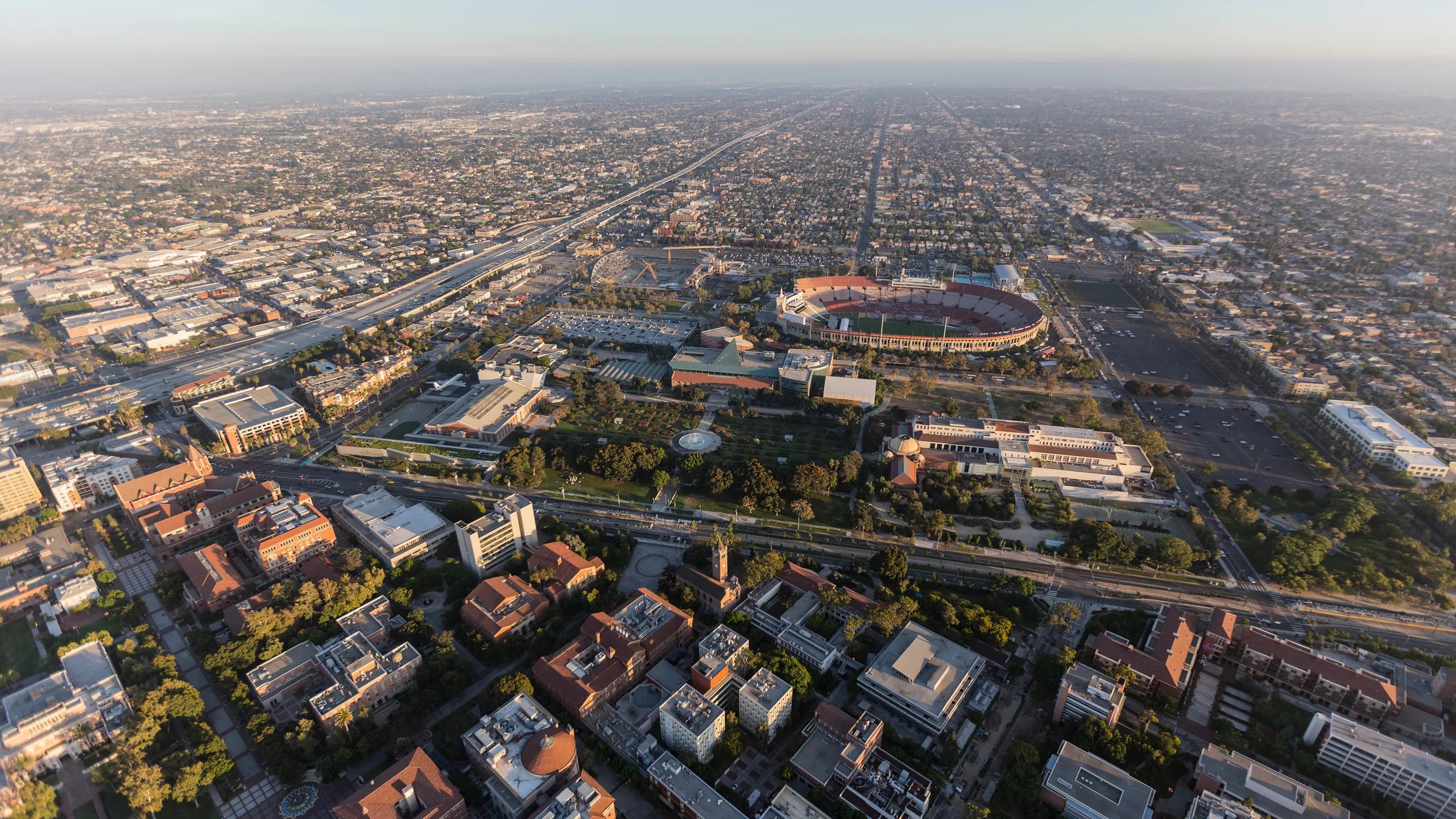
The University of Southern California (USC) is a globally-renowned private college located in the heart of Los Angeles. Offering vibrant campus life and strong connections to the entertainment and tech industries, it's not hard to see why USC attracts thousands of talented applicants each year. In contrast to the easy-going atmosphere of campus, however, the university's competitive acceptance rate means that gaining admission is far more challenging.
This guide will explore the latest USC acceptance rate trends, dissect what makes a successful student, and offer strategies to boost your chances. You'll also learn why you may see two different admit rates reported for 2029 (fall-only vs. overall), and how to read them correctly.
Now, here's something most prospective students don't realize about 2026: USC just announced one of the biggest shifts in its admissions history. Starting with the Class of 2031 (Fall 2027 applicants), the university is expanding Early Decision to nearly all undergraduate programs after a successful pilot with the Marshall School of Business. Picture this — the EA-and-RD playbook that has defined USC admissions is about to gain a binding ED option. The takeaway? If you're applying soon, understanding both the current cycle and what's coming next gives you a real strategic edge.
Have your eyes on a spot at USC? Let's learn about the newest Trojans, the Class of 2029!
About the University of Southern California
First, here are quick facts about USC to get your bearings.
- School system: Undergrad study is based at the main University Park campus (Los Angeles). The Health Sciences Campus is for graduate and professional studies only. Application timing:Early Decision (binding; business school only): Nov 1. Early Action (non-binding; most majors) + merit scholarship consideration: Nov 1. Regular Decision (portfolio/audition majors): Dec 1. Regular Decision (most majors): Jan 10.
- Testing: USC is currently test-optional through the 2026-2027 academic year.
- Essays: Applicants are required to submit several short essays as part of the USC application.
- Honors: USC offers a variety of honors programs for students.
- 2026 U.S. News ranking: Ranked among the top 25 National Universities.
- Application fee: $85 (waivable for students with financial need).
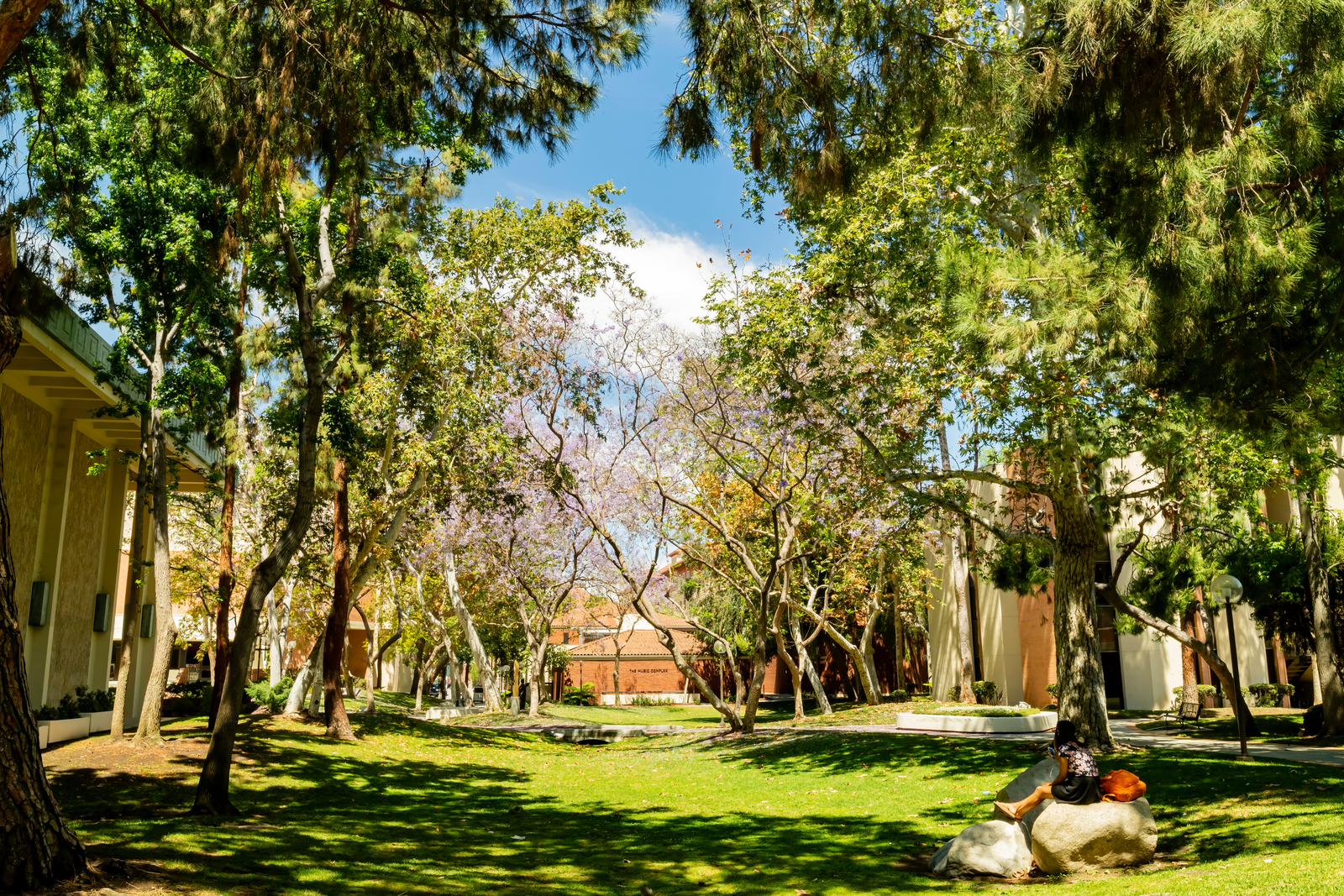
If you aren't already sold on the mild West Coast weather and palm-tree-lined campus, then take a look for yourself:
USC acceptance rate trends (and what they mean)
What's the difference between fall-only and overall?
USC offers spring admission to some applicants. The fall-only admit rate reflects the most selective pool, while the overall admit rate includes spring offers, increasing the acceptance percentage slightly. If you see different numbers online, this is why.
According to the USC Admissions website, the university's overall acceptance rate has remained highly competitive in recent years:
- Class of 2025: ~12%.
- Class of 2026: ~11–12%.
- Class of 2027: 9.9%.
- Class of 2028: 9.2%.
- Class of 2029: 11.2%.
- Class of 2030: ~11.7% overall (~10.4% fall-only).
Here's the deal on the Class of 2030: USC admitted approximately 9,251 students from roughly 79,290 applicants, for an overall acceptance rate of about 11.7% — slightly up from the Class of 2029's 11.2%. But don't misread that uptick as USC getting easier. Applications actually fell about 5% (from ~83,500 to ~79,290) while the number of admits held roughly steady. The takeaway? The higher rate is volume-driven, not a softening of selectivity. USC remains among the 15 most selective universities in the country.
Want to know one of USC's most counterintuitive quirks? Its Early Action rate is actually lower than its Regular Decision rate — the opposite of most selective schools. For the Class of 2030, USC admitted about 3,800 students from more than 40,000 EA applicants (a ~9.5% EA rate). Why is EA tougher? Because USC ties merit scholarship consideration to the EA round, which pulls the strongest applicants into that early pool and makes it more competitive.
Not to mention, applicants targeting the university's most popular and competitive programs (such as Computer Science) can expect even lower acceptance rates. Programs like Viterbi (Engineering), Marshall (Business), and SCA (Cinematic Arts) are also among the most selective.
Actionable takeaways:
- Apply Early Action by the November 1st deadline to be considered for merit scholarship consideration (and remember the EA pool is strong, so bring your best application).
- Develop a well-rounded profile that showcases academic achievements, extracurricular involvement, and unique personal qualities. For artists (applying to SCA, Kaufman, Thornton, and Roski), plan ahead; portfolios and auditions are not just extras, they're central to admissions. Polish your work and label files clearly.
- Carefully craft the USC-specific essays to demonstrate your fit with the university's academic and community offerings.
Average accepted student profile at USC
USC's official 2025–26 profile (covering the Class of 2029) reports the following middle-50% ranges:
- Unweighted GPA (4.00 scale): 3.87–4.00 (the Class of 2030's average GPA rose to 3.92, an all-time USC high)
- SAT (super-scored): 1490–1550
- ACT (super-scored): 33–35
- Score submitters: 44% of enrolled submitted SAT/ACT
- Entering class: 3,759 | Merit scholars: 546 | First-gen: 21%
These figures demonstrate the increasingly selective nature of USC's admissions process. Here's the kicker: on SAT Math specifically, roughly 97% of admitted students who submitted scores landed between 700 and 800 — a signal of just how strong the quantitative profile of admitted Trojans has become.
Building a profile that stands out at USC
USC conducts a holistic review, weighing academic preparation, intellectual curiosity, character, impact, and context.
To increase your chances of admission, focus on the following key areas.
Academics:
Take the most rigorous courses you can succeed in, especially if they correspond with your intended major. Your transcript should show progression and consistency. (Check each school's prep guidance before you claim specific prerequisites.)
Standardized testing:
USC remains test-optional, and a majority of enrollees did not submit scores last cycle. If your results land within or above the enrolled middle-50% (roughly 1470–1540 SAT or 32–35 ACT), sending them can reinforce academic readiness. Otherwise, focus on rigor, grades, and the story your activities and essays tell.
Extracurricular involvement:
Impact over volume. Highlight outcomes: a launched app, a published film, league leadership, a nonprofit initiative, or measurable community change. For arts, strong portfolios and audition preparation are decisive; for research, name mentors, methods, and outputs (poster, paper, competition).
Essays:
Be specific to signal your fit. Avoid generic LA or "dream school" tropes. Instead, connect your goals to specific USC resources (e.g., a Viterbi lab or institute, Marshall's case competitions, The Garage at IYA, the Trojan Marching Band, or Annenberg media outlets) and explain how you'll use them.
Recommendations:
It's all about context and character. Choose teachers who can describe how you think, not just how you scored. A counselor can explain context (course access, family responsibilities, school changes).
What's Changing: USC's New Early Decision Pathway
Now, here's something that will reshape how future applicants approach USC. In February 2026, USC's Provost announced that the university is expanding Early Decision to nearly all undergraduate programs, beginning with the Class of 2031 (students applying in Fall 2027). Want to know why this matters so much? Because it fundamentally changes USC's application architecture.
Here's the deal on what's coming:
- Three pathways starting Class of 2031: USC will offer Early Decision (binding), Early Action (non-binding), and Regular Decision — a meaningful expansion from the current EA/RD-dominant structure.
- The ED pilot worked: This expansion follows a successful Early Decision pilot run through the Marshall School of Business for the Class of 2030. USC liked the results enough to scale it across nearly all programs.
- ED is binding: Students admitted through Early Decision must enroll at USC and withdraw all other applications. Only commit to ED if USC is unambiguously your first choice and you've run the financial aid numbers.
- Merit scholarships stay in play: Importantly, applicants in both the ED and EA rounds will remain eligible for USC's merit scholarships — so applying early won't cost you scholarship consideration.
- Performing arts exceptions: Programs like the Kaufman School of Dance, Thornton School of Music, and the School of Dramatic Arts are not eligible for Early Decision, given their audition-based timelines.
The takeaway? If you're a current sophomore or junior eyeing USC, this is a strategy game-changer. A binding ED option can offer an admissions edge at many schools — but it removes your ability to compare offers. For starters, decide early whether USC is a true top choice, model the cost with USC's Net Price Calculator, and plan which round fits your situation before applications open.
How USC Compares to Other California Universities
Want to know how USC stacks up against its California peers? Here's the deal — USC competes for many of the same applicants as other top California schools, and understanding the differences helps you build a smart, balanced college list.
For starters, here's how USC compares to nearby competitors:
- USC vs. UCLA: Both are top-25 universities in Los Angeles, but USC is private while UCLA is public. UCLA is significantly larger and less expensive for California residents, while USC offers smaller class sizes in many programs, generous merit scholarships, and signature schools like Cinematic Arts. UCLA's acceptance rate (~9%) is comparable to or slightly lower than USC's.
- USC vs. UC Berkeley: Berkeley is a public research powerhouse with particular strength in STEM and a lower sticker price for in-state students. USC's appeal lies in its private-university resources, professional school connections, and entertainment/tech industry ties in LA.
- USC vs. Stanford: Stanford is dramatically more selective (~4% acceptance rate) and more research-prestige-focused. USC offers a more accessible path to a top-tier private education with exceptional pre-professional and creative programs.
- USC vs. private peers (NYU, Boston University): Like USC, these are large private universities in major cities with strong industry connections. USC's distinctive strengths include its film school, alumni network ("the Trojan Family"), and West Coast tech/entertainment access.
The takeaway? USC's combination of a private-university experience, an unusually powerful alumni network, signature programs in film, business, and engineering, and a prime Los Angeles location makes it genuinely distinct. Students drawn to pre-professional and creative paths in an urban setting often prefer USC; those prioritizing lower in-state cost may lean toward the UC system; those chasing maximum research prestige may aim for Stanford.
Life in cardinal and gold
USC runs on a semester calendar in an urban L.A. setting. So what can you expect? A mix of large lectures and smaller discussions or labs, meaningful time commitments outside class, and the possibility of in-semester internships. Let's break it down.
Academics at USC:
Classes follow a semester rhythm, with many introductory courses held in larger lecture halls and upper-division seminars tending to be smaller. Crossing schools is common (double majors and minors happen across Dornsife, Viterbi, Marshall, Annenberg, SCA, and more) but you'll need to plan around registration priorities. Research and creative projects are accessible through labs, studios, and faculty teams if you pitch yourself early and show basic skills.
Community:
Student life is active, with more than 800 organizations that usually meet weekly and often require officer hours or rehearsal/build time. Most first-years live on campus, including at USC Village, and many students move to nearby apartments after their first year. Meal plans are required in most on-campus housing, so it's smart to watch change deadlines and pick a plan that fits your routine. Getting around typically combines the Metro U-Pass for buses and rail with walking, scooters, and rideshare. For safety, learn DPS boundaries, late-night transport options, the alert system, and blue-light locations.
Outcomes for alumni:
Due to the location, internships during the semester are common across various fields, including media, technology, health, and consulting. Most students utilize Handshake and school-specific portals to find these roles. If you're aiming for an internship, register early for career fairs, follow faculty research labs, and tap into the USC Career Center's Industry Insight panels. Start building your network now.
Here's the kicker on the Trojan Family: USC's alumni network is one of the most active and loyal in the country. Want to know why that matters? Alumni connections frequently translate into internships, mentorship, and job offers — especially in entertainment, tech, and business. When you join USC, you're not just getting a degree; you're plugging into a career network that follows you for life.
Your next steps to college
If you're interested in building a comprehensive application, here's the bottom line: USC is selective, but the path is knowable. Understand fall-only vs. overall admit rates, pick the right application plan, match your prep to your intended school, and use essays to show how you'll plug into USC's resources. Submit scores only if they help. Build a realistic weekly plan for classes, clubs, and early internships. Keep your eye on the goal!
If you want support turning this outline into a compelling application, we can map your major/school fit, set a test-optional plan, and pressure-test your USC essays and activity descriptions against what readers actually look for. Book aconsultationdiscussion today! We'll start with your deadlines and work backward. Your future awaits.