Applications
Northeastern Acceptance Rate 2026: SAT, GPA & Admissions Tips
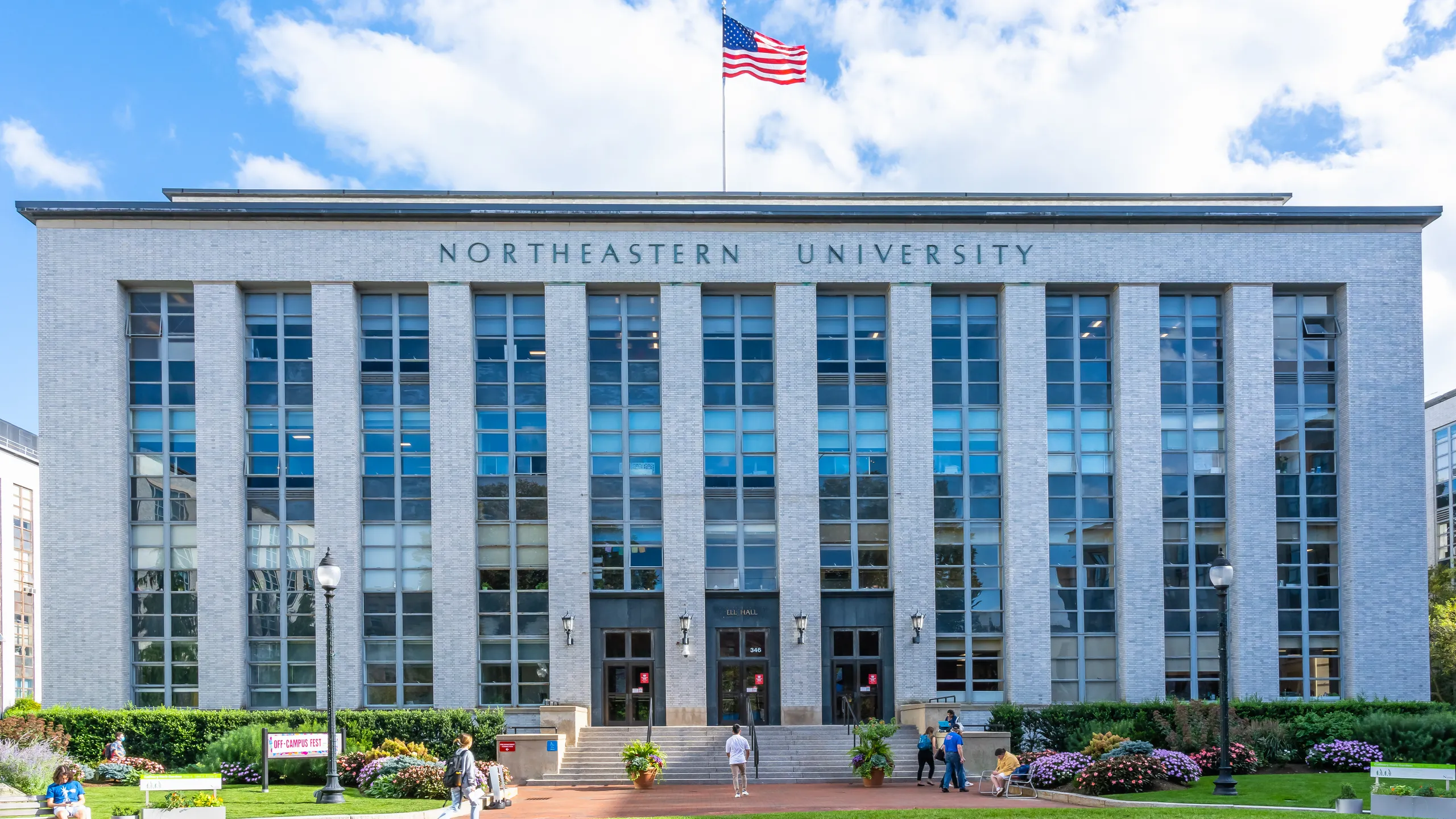
Co-op programs. Access to Boston. Global campuses. These unique opportunities explain a lot of Northeastern University's surge in popularity and increasing selectivity—but not all of it. There's definitely more to the story. With paid, full-time work rotations baked into the degree and outcomes that rival elite peers, the demand has spiked even more dramatically of late. Northeastern now admits only a sliver of applicants it used to admit each cycle.
Now, here's something most prospective students don't realize about 2026: Northeastern just became the most applied-to private university in the United States. For the Class of 2030, it received roughly 105,190 applications — a staggering number that reflects just how dramatically demand has exploded. Picture this: more than 105,000 students competing for roughly 2,600 spots in Boston. The takeaway? Northeastern has transformed from a regional commuter school into one of the most sought-after universities in the country in barely a decade.
Curious what changed? Let's dive into Northeastern's 2025 acceptance rate, recent student trends, admitted profile, and expert tips to build a standout application this year.
Northeastern University: at a glance
First, let's get to know the campus.
- Campus (location and type): Private research university in Boston, MA, with a global campus network (e.g., London, Oakland, Seattle, Toronto, Vancouver).
- Undergraduate size and ratio: ~22,000–23,000 undergrads; ~16:1 student–faculty ratio.
- Application timeline: EA Nov 1; ED I Nov 1; ED II Jan 1. (Regular Decision Jan 1.)
- Essays: Common App personal statement required; short responses or additional materials may be required for select programs (e.g., portfolios/accelerated tracks).
- Testing Policy: Test-optional for SAT/ACT (submit if they strengthen your file; English proficiency required for international applicants).
- Special programs: Signature Co-op (full-time, months-long work rotations), Honors Program, Global/First-Year pathways (London Scholars, Global Scholars), combined/accelerated degrees, robust research and industry partnerships.
- 2026 U.S. News ranking: #46 among National Universities (up 8 spots from #54 the prior year).
If you've never been to Boston (or want to take a closer look at the everyday life of a Northeastern student), check out this campus tour:
Who should apply to Northeastern?
This top-ranked school may be a great fit if you:
- Thrive in fast-paced, hands-on environments
- Want to build a resume before graduation
- Are excited by the idea of rotating between campus, co-ops, and global study
- Enjoy cities and urban energy, but still want a campus identity
- Like the idea of customizing your timeline (4-year, 5-year, and 6-year plans)
That said, if you're looking for a more traditional college experience without frequent internships or city immersion, another school might be a better fit for you.
The Northeastern acceptance rate
This year's headline: Northeastern's Class of 2029 acceptance rate is 5.6%, up slightly from ~5.2% last cycle. That's still among the lowest in the country outside the hyper-selective Ivy-tier cohort.
For the Class of 2029, Northeastern received a record 105,092 applications and admitted roughly 5,885 students — up from 98,425 applications and 5,133 admits for the Class of 2028.
Five-year trend (context matters):
So what changed over this time period? A decade of brand and application growth, expansion of first-year global pathways, and co-op's market pull compressed admit rates dramatically, starting with the Class of 2026.
Here's the deal on the Class of 2030: Northeastern received another record-breaking pool of roughly 105,190 applications, making it the most applied-to private university in the country. Early Decision results (ED I and ED II) were released in January and March 2026, with Regular Decision results following in April 2026. While Northeastern hasn't published the full Class of 2030 breakdown yet, experts expect the overall acceptance rate to land at or below the Class of 2029's 5.6%, given the continued application growth.
Want to know one reason applications keep climbing? Northeastern doesn't require supplemental essays. This dramatically lowers the barrier to applying (students can add Northeastern to their Common App list with minimal extra work), which inflates application volume — and in turn drives down the acceptance rate. The flip side? Your Common App personal essay and activities list carry outsized weight, since there's no supplemental essay to differentiate you.
Not to mention the early round dynamics. Northeastern offers both Early Action and Early Decision, both reflecting a materially higher admit rate than Regular Decision. What should you know? Binding ED can indeed confer a sizable statistical edge, but the applicant pool is self-selecting and stronger on average.
For starters, here's how dramatic the early-round advantage is: for the Class of 2028, Northeastern admitted roughly 43% of ED applicants versus an estimated 3.8% in Regular Decision — making ED applicants roughly 11 times more likely to be admitted. That's one of the largest ED advantages of any selective university in the country.
Takeaway: Plan around a ~5–6% overall admit rate, with potentially much higher odds in ED if your academics and finances align.
Average accepted student profile
What does a typical admitted Huskie look like? Northeastern is test-optional, but submitted scores and academic rigor still carry weight. In the latest Common Data Set, rigor, GPA, test scores (if provided), essays, and recommendations rank as "very important" or "important."
- SAT (25th–75th): 1450–1520 (median ~1490)
- ACT (25th–75th): 33–35
- Class rank: ~69% in the top 10% of their high school class
- GPA: A large majority of reporting students had 4.0 (weighted scales common)
Only ~24% submitted SAT and ~7% submitted ACT, reflecting real usage of test-optional, but those who did submit posted very high numbers.
How to build a successful Northeastern application
Ready to compete? Focus on evidence of impact and fit for experiential learning. Here's a general blueprint on how to align with what Northeastern values and publishes.
1) Lead with rigor, and show sustained A-level results
Northeastern marks course rigor and GPA as "very important." Load up on advanced course load, if you can (especially math/science for CS/engineering; lab sciences for health; writing-heavy courses for humanities/business). Use your Additional Info section to explain any context shifts (grading policies, school moves, life interruptions).
2) Decide early: test or no test
The university is test-optional. If your practice scores sit in or above the 1450+/33+ range, strong scores can reinforce readiness. If not, redirect the time into essays and portfolio-quality projects. Either way, show mastery through transcripts, recommendations, and outcomes.
3) Make your essay "co-op specific"
A generic "I love Boston" essay won't cut it. Instead:
- Connect your interests to co-op and project-based learning: What problems do you want to solve in a six-month, full-time role?
- Reference relevant labs, centers, or partner spaces you'd plug into.
- Show you understand the rhythm of study, co-op, study (and how you'll use those cycles to accelerate your growth).
Here's the kicker: because Northeastern doesn't require supplemental essays, your Common App personal statement is doing double duty. It's your single best chance to convey co-op fit and genuine interest in experiential learning. Don't waste it on a generic narrative — make every sentence reinforce why Northeastern's model is right for you.
4) Quantify extracurricular impact, not just titles
Translate roles into outcomes: lines of code shipped, funds raised, patients served, research posters presented, dashboards deployed, policy changes adopted. When possible, tie these to career exploration. For instance, clubs that led to internships, community work that inspired your intended co-op industry, etc.
5) Build a smart timing strategy
- Early Action (11/1): Great for visibility and earlier decision without a binding commitment.
- Early Decision I (11/1) / ED II (1/1): Consider if Northeastern is the clear #1 and finances are understood; data suggest higher admit rates in ED.
- Keep an eye on scholarship and specialty program deadlines.
6) Recommendations that show you "co-op ready"
Ask teachers who have seen you collaborate, take feedback, and deliver under real constraints. Phrases that matter: initiative, reliability, communication with diverse stakeholders, iteration, resilience (all traits employers look for and that align with co-op success).
7) If admitted to a pathway, embrace it strategically
Some students begin in London or Oakland (Global/London Scholars) and transition to Boston later. These programs are bona fide Northeastern starts with strong first-year support. Use them to build global perspectives and early internships, then return with momentum.
Tips for transfer applicants:
Northeastern welcomes transfer students, but the bar is high. To boost your chances of a successful transition, try the following.
- Aim for a college GPA of 3.7+ with strong upward trends
- Use your essays to connect your past experiences with future co-op goals
- Highlight relevant internships, research, or leadership that reflect NU values
- Check program-specific prerequisites (especially for business, CS, and health sciences)
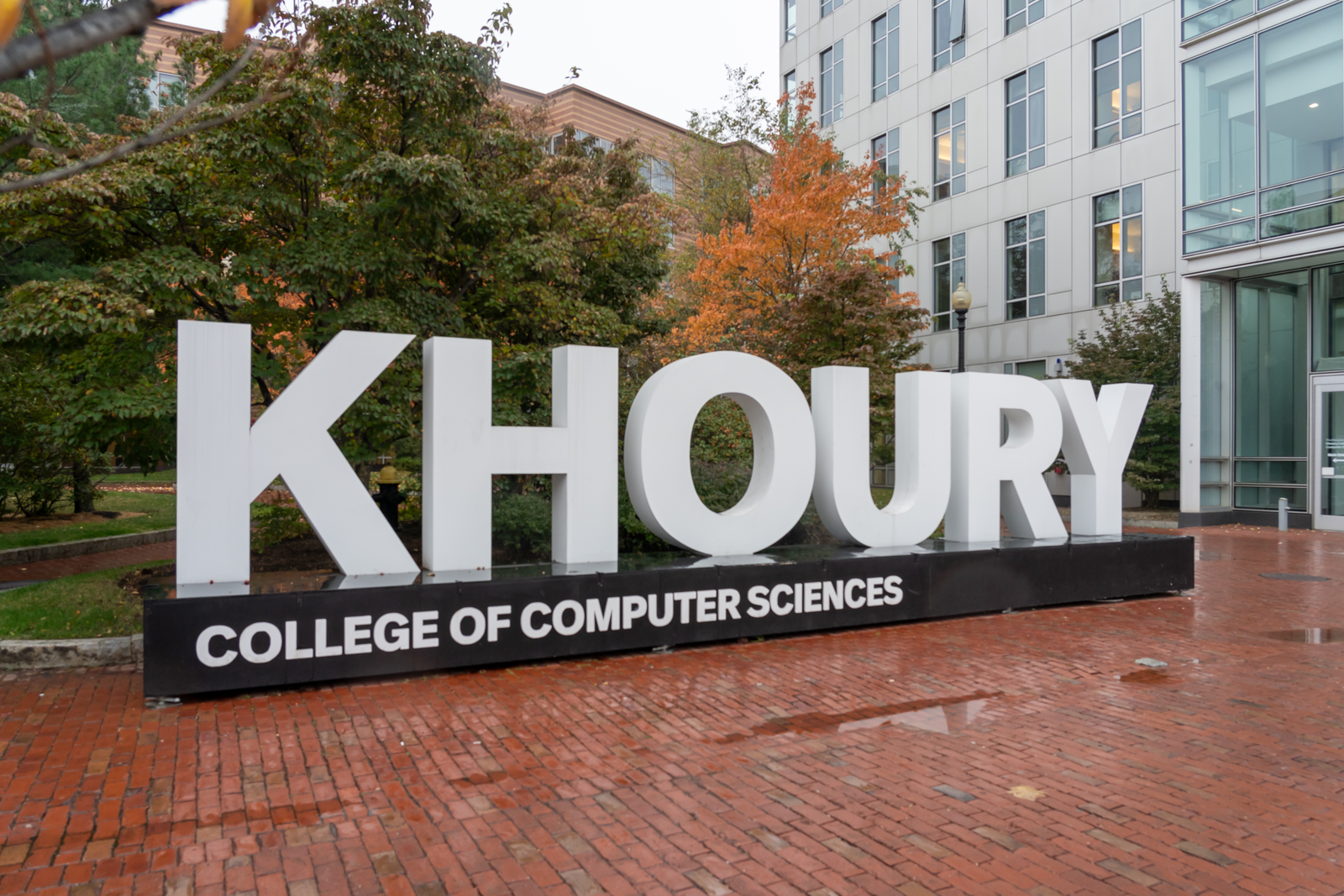
Understanding Northeastern's Co-op Program
Picture this: you graduate from college not just with a degree, but with up to 18 months of full-time, paid professional experience already on your resume. That's the promise of Northeastern's signature co-op program — and it's the single biggest reason the university has surged in popularity.
Want to know how co-op actually works? Here's the deal:
- What it is: Co-op (short for "cooperative education") alternates traditional academic semesters with full-time, paid work placements lasting roughly six months each. Unlike a typical summer internship, co-ops are immersive, months-long professional roles integrated into your degree.
- How many you can do: Most students complete one to three co-ops before graduating. This is why many Northeastern students choose a 5-year plan — the extra time accommodates multiple co-op cycles while still completing the full degree.
- You don't pay tuition during co-op: During co-op semesters, students are working full-time and do not pay tuition. Many co-ops are paid, meaning students can actually earn money during these terms rather than accruing costs.
- Where students go: Co-op employers span Boston hospitals, fintech firms, big tech companies, biotech startups, consulting firms, nonprofits, government agencies, and more. Northeastern's employer network includes thousands of partner organizations worldwide.
- Return offers are common: A significant share of co-op students receive full-time job offers from their co-op employers — meaning many Huskies graduate with a job already lined up.
- It shapes your academics: Students return from co-op with real-world context that transforms classroom discussions. The "study, co-op, study" rhythm helps students clarify career goals far earlier than peers at traditional schools.
The takeaway? If you're a hands-on learner who wants professional experience baked into your education, Northeastern's co-op model is genuinely differentiated. But if you prefer an uninterrupted four-year academic experience, the co-op rhythm may feel disruptive. Be honest with yourself about which model fits you.
Financial Aid and Cost at Northeastern
Now, here's something most prospective students don't realize until they get their financial aid letter. Northeastern's cost structure is unique among private universities, largely because of the co-op model.
Want to know the key facts about paying for Northeastern in 2026?
- Meets 100% of demonstrated need for eligible domestic students: Northeastern commits to meeting the full demonstrated financial need of domestic students who are eligible for federal aid.
- No tuition during co-op semesters: Because students work full-time during co-op terms, they don't pay tuition during those periods — and many earn competitive salaries. Over a 5-year plan with multiple co-ops, this can substantially offset the overall cost of attendance.
- Co-op earnings reduce debt: Many students use co-op earnings to help fund their education, graduating with less debt than they would at a comparable private university without paid work integration.
- Merit scholarships available: Northeastern offers merit-based scholarships (such as the University Scholars program and various dean's scholarships) to top applicants, though these are highly competitive.
- Total sticker cost: Like most private research universities, Northeastern's published cost of attendance (tuition, fees, housing, dining) exceeds $85,000 per year — but the co-op model and financial aid can meaningfully reduce what families actually pay.
- International students: Northeastern's need-based aid is more limited for international students, who should carefully review merit scholarship opportunities and budget accordingly.
The bottom line? Don't evaluate Northeastern's cost the way you'd evaluate a traditional four-year school. The co-op model — with its paid work terms and tuition-free co-op semesters — changes the math significantly. Run Northeastern's Net Price Calculator and factor in projected co-op earnings to understand your real cost.
Life at Northeastern
What can a prospective student expect?
Co-op is the heartbeat.
Students alternate academic terms with full-time, paid roles across Boston hospitals, fintechs, big tech, biotech, consultancies, and nonprofits. Some students even complete two or three co-ops before graduation. Many receive return offers. That workplace immersion shapes classroom discussions and career clarity.
Boston as your campus.
Steps from research hospitals, the MFA, and startups, students blend city access with a defined campus feel (Centennial Common, Marino Center, Snell Library). The network effect is real: projects and co-ops often start with a professor's lab or a club contact, then jump to paid work.
Outcomes that reward the hustle.
Northeastern regularly reports that nearly 96% of undergraduates are employed or in grad school within nine months, with a large share of offers flowing directly from co-op employers.
Northeastern vs. Other Boston-Area Universities
Want to know how Northeastern stacks up against its Boston-area peers? Here's the deal — Northeastern competes for many of the same applicants as other top schools in the region, and understanding the differences helps you build a smart college list.
For starters, here's how Northeastern compares to nearby competitors:
- Northeastern vs. Boston University (BU): Both are large private research universities in Boston with strong co-op/internship cultures. BU is slightly larger and offers a more traditional academic structure, while Northeastern's co-op program is more deeply integrated and signature to the experience. BU's acceptance rate (~11%) is higher than Northeastern's (~5.6%).
- Northeastern vs. Boston College (BC): BC is a Jesuit university with a more traditional liberal arts core and a suburban campus in Chestnut Hill. Northeastern is more urban, more pre-professional, and more co-op-focused. BC's acceptance rate (~15%) is meaningfully higher than Northeastern's.
- Northeastern vs. Tufts: Tufts is smaller, more focused on traditional liberal arts and research, and slightly more selective in some programs. Northeastern offers the distinctive co-op model and a more career-integrated experience.
- Northeastern vs. MIT/Harvard: These Ivy-tier and Ivy-equivalent schools are research powerhouses with far lower acceptance rates and different cultures. Northeastern's distinctive value is its experiential, co-op-driven model rather than pure research prestige.
The takeaway? Northeastern's co-op program, urban Boston campus, and global pathway network make it genuinely distinct among Boston-area schools. Students drawn to experiential, career-integrated learning often prefer Northeastern; those seeking a traditional liberal arts experience may prefer BC or Tufts; those prioritizing research prestige may aim for MIT or Harvard.
Your future: Boston and beyond
Northeastern's 2025 acceptance rate (~5.6%) confirms what you already suspected: this is a highly selective university. But it's also predictably selective. Students who pair A-level rigor, evidence of impact, and a clear co-op narrative put themselves in contention, especially with a smart EA/ED plan.
Here are your next steps:
- Map your deadlines (EA vs. ED I/II),
- Finalize a school list calibrated to reach/target/safety,
- Draft essays that connect your goals to Northeastern's experiential learning model, and
- Decide on testing with data, not guesswork.
Want help turning this plan into an acceptance letter? Meet 1:1 with an Empowerly team member to build your ED strategy, stress-test your profile, and craft a co-op-ready application narrative.