Applications
Johns Hopkins Reinstates Standardized Tests: What You Need to Know

In a surprising reversal of previous announcements, Johns Hopkins University has declared that it will once again require prospective students to submit standardized test scores. For the last several years, hopeful students have been encouraged to submit scores as an optional part of the overall application. This new requirement, however, will take effect as soon as next fall, making the exams mandatory for students applying for the Fall of 2026 and beyond.
In a year where every last little difference can decide acceptance or rejection, developments like these are keeping families riveted. Today, we’ll explain what you need to know about Johns Hopkins University’s new standardized test policy.
Standardized Testing 101
Standardized tests play a crucial role in college admissions, serving as a benchmark for academic achievement. For students in the United States, the two most widely recognized standardized tests are the SAT and the ACT. Typically, high school students take these exams during their junior or senior year.
For those who are unfamiliar, let’s take a closer look at each:
About the SAT
The SAT, administered by the College Board, is a digital standardized test that assesses a student’s readiness for college. It covers areas such as Math, Evidence-Based Reading, and Writing. The SAT is known for its focus on critical thinking and problem-solving skills, with a scoring range from 400 to 1600. Many colleges use SAT scores as part of their holistic review process, evaluating applicants in conjunction with other factors like GPA, extracurricular activities, and essays.
The SAT is now fully digital, taken on the College Board's Bluebook app, and runs about 2 hours and 14 minutes with a module-adaptive format. Heads up: the digital format also includes a built-in Desmos graphing calculator for the entire Math section.
About the ACT
The ACT, managed by ACT, Inc., is another standardized test accepted by colleges across the country. It includes sections on English, Math, Reading, and Science, with an optional Writing section. The ACT emphasizes a student’s knowledge of subjects taught in high school and has a scoring range from 1 to 36. Like the SAT, ACT scores are used by colleges to assess a student’s academic preparedness.
The ACT has also undergone changes, including a shorter format and the science section becoming optional for many test-takers. Worth noting: confirm the current ACT structure and whether Johns Hopkins wants the science section before you sit the exam.
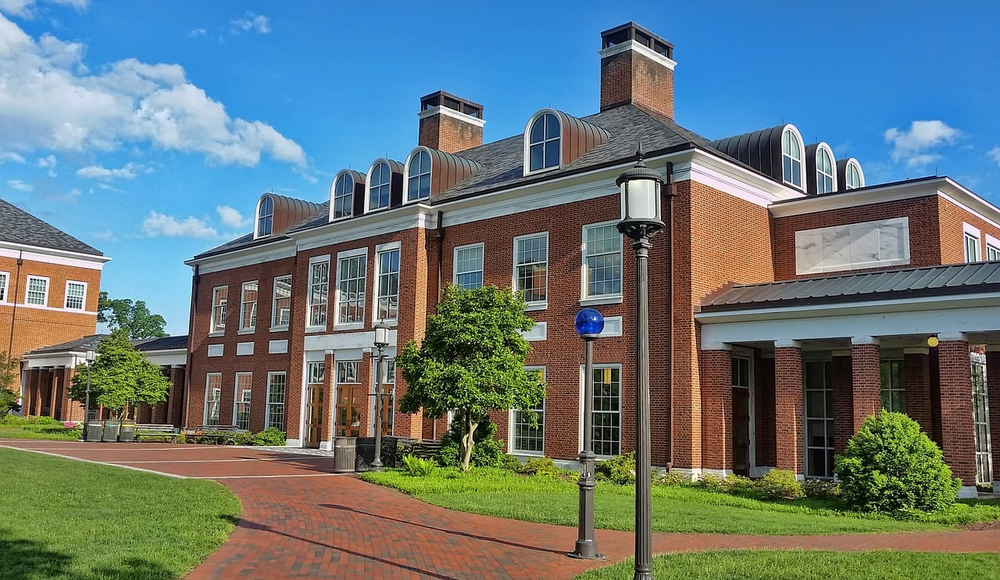
JHU Will Require Standardized Tests from Next Year’s Applicants
For ultimate clarity, let’s go to the source: Johns Hopkins University has announced that it will reinstate its previous requirement for standardized testing for admissions, beginning with students applying for the fall of 2026.
The admissions policy has shifted from "upcoming" to "current." As Johns Hopkins announced:
"Standardized testing will be required beginning with the 2025–2026 application year (students enrolling in fall 2026 and beyond)."
That policy is now active. Heads up: every applicant for Fall 2026 enrollment was required to submit SAT or ACT scores (barring the limited exceptions below), and the requirement continues for Fall 2027 applicants and beyond.
The admissions site includes which tests may be substituted:
- In the exceptional circumstance that neither test is available, you may submit one of the following as an alternative and should explain your situation in the additional information section of the application:
- AP Exam Results (For All Exams Taken)
- IB Actual or Predicted Scores
- GCSE/A-Level Actual or Predicted Results
- National Leaving Exams Results or Predictions
Nonetheless, the vast majority of high school students will be required to submit either SAT or ACT scores going forward.
Why Johns Hopkins’ Decision is So Important
This move marks an end to the temporary test-optional policy initiated during the COVID-19 pandemic when students’ ability to test was curtailed by widespread ad cancellations.
Though the interruption of the pandemic changed many plans, this recent decision now realigns Johns Hopkins with other elite institutions. Top colleges like MIT, Yale, Dartmouth, Brown, and Harvard have also recently reinstated testing requirements. On the other hand, some university systems, like the University of California, have decided to permanently eliminate test scores from their applications.
Johns Hopkins was actually ahead of the curve. Since JHU's announcement, the test-required movement has accelerated dramatically — what looked like a bold reversal in 2024 is now the mainstream position among top universities. The takeaway? For prospective Blue Jays, preparing for and excelling in standardized tests is once again a key component of the Johns Hopkins admissions process.

The 2026 Test-Required Wave: JHU Is No Longer an Outlier
Now, here's something the original announcement couldn't capture — when Johns Hopkins made this move, it was one of the first. By 2026, it's part of a sweeping return to required testing. Let's break down the full landscape.
Schools That Now Require Testing (2026)
Big news for 2026: the list of test-required schools has grown enormously:
- Ivy League: Harvard, Yale (test-flexible), Princeton (through 2026-27), Brown, Dartmouth, Cornell
- Elite privates: MIT, Stanford, Caltech, Georgetown, Vanderbilt, Duke, Tufts, Johns Hopkins
- Major public flagships: UT Austin, University of Florida, University of Georgia, Texas A&M, Auburn, LSU, Purdue, Georgia Tech
Schools Still Test-Optional
Worth noting: some top schools remain test-optional for now:
- Columbia, UPenn, Northwestern, Notre Dame, NYU, USC, Wake Forest, Boston College
Schools That Are Test-Blind
Heads up: a few systems won't consider scores at all, even if submitted:
- The entire University of California system and California State University system
The bottom line? The test-optional era at elite universities is largely over. Johns Hopkins helped lead this shift, and applicants to top schools should now assume they'll need strong SAT or ACT scores.
What SAT/ACT Scores Do You Need for Johns Hopkins?
Here's the kicker — now that testing is required, you need to know what scores actually make you competitive at JHU. Let's walk through it.
Johns Hopkins Score Ranges
Worth knowing: Johns Hopkins is one of the most selective universities in the country, and its admitted students post exceptional scores. The middle 50% ranges for admitted students typically run:
- SAT: approximately 1530–1560
- ACT: approximately 34–35
Heads up: these are the middle 50%, meaning a quarter of admitted students scored even higher. The takeaway? To be competitive at JHU, aim for an SAT of 1530+ or an ACT of 34+ — though remember scores alone never guarantee admission at a school this selective.
JHU's Acceptance Rate Context
Big news: Johns Hopkins admits only a small single-digit percentage of applicants (recent cycles have hovered around 7% or lower). Worth noting: with the test requirement back in place, strong scores are now table stakes — they get you into the conversation, but your essays, activities, and academic rigor decide the outcome.
Score Choice Still Applies
Worth knowing: as covered below, JHU's score-choice and superscoring policies work in your favor — so you can test more than once and submit your best results.
To Test or Not to Test: The Great Debate
With so many different policies that are subject to change, the question remains: should I take the test myself? For high school students wondering what they should do, here’s what college counselors advise:
1. Study and Prepare:
Whether or not your dream schools currently require standardized tests, it’s wise to start studying early. Utilize resources like prep courses, practice exams, and study guides to familiarize yourself with the format and content of the SAT or ACT. Since the SAT is now digital, practice using the official Bluebook practice tests so the interface feels familiar on test day.
2. Take the Tests if You Can:
If testing is accessible to you, take the exams. Having a strong score in hand can enhance your application, even if your top-choice school is test-optional. It provides an additional metric for colleges to consider when evaluating your academic readiness.
With the test-required wave, "if you can" has become "you almost certainly will need to." Most top schools — including JHU — now require scores, so plan to test regardless of where you apply.
3. Prepare a Strong Overall Application:
Remember that standardized test scores are just one part of your application. Focus on maintaining strong grades, participating in meaningful extracurricular activities, and writing compelling essays. Colleges are looking for well-rounded students who excel both inside and outside the classroom.
AI-generated essays have become a major focus for admissions officers. Your authentic voice is your competitive advantage — use AI for brainstorming only, never for drafting your essays.
Got Results? Score Choice is Your Friend!
Here’s a key fact to know about how Johns Hopkins University evaluates your standardized test scores when you do submit them: Johns Hopkins utilizes a score-choice policy.
What does that mean? In their own words, you can submit any exam scores you have received to show your best performance:
“We’ll consider your highest section scores across all SATs taken—even if they were on different test dates, or across paper and digital tests—in our evaluation of your application. Make sure to update your application with new test scores each time you take the SATs.”
The same goes for the ACT, by the way:
“We also consider your highest combined score for the ACT. We’ll find the maximum value of each official section score submitted, then recalculate the composite score.”
In the eyes of the admissions officer, you can benefit from your best performance across different test sittings.
If you’re happy with your test scores…
Great! Compare your scores with the average scores of accepted students at the colleges on your list to ensure you’re on target. Strong test scores can bolster your application, particularly at competitive schools like Johns Hopkins.
If you’re not so happy with your test scores…
That’s okay! Keep in mind that you can retake the tests after additional study to see if you can improve your scores. Many students see significant score increases after focused preparation.
Finally, consider reaching out for help if you need it.
If you’re unsure about how to prepare, when to test, or what scores you should aim for, consider reaching out to college admissions experts. They can provide personalized guidance and strategies tailored to your unique goals.

Your Testing Timeline for Johns Hopkins (2026-2027)
Big news for 2026: now that JHU requires testing, planning your testing calendar early is essential. Worth knowing: here's a recommended timeline.
Junior Year (Class of 2027 Applicants)
- Fall: Take the PSAT/NMSQT (also qualifies you for National Merit consideration)
- Winter: Begin focused SAT or ACT prep
- Spring: Sit your first official SAT or ACT
- Summer: Retake if needed after additional prep
Senior Year
- Early fall: Final SAT/ACT sitting before Early Decision/Early Action deadlines (JHU has ED I in November, ED II in January)
- Confirm scores reach JHU: Update your application with new scores each time, since JHU superscores
The takeaway? Build in time for at least two test sittings. Because JHU superscores, multiple attempts can only help — you submit your best section scores across all dates.
Frequently Asked Questions
Does Johns Hopkins require the SAT or ACT?
Yes. Johns Hopkins requires standardized test scores beginning with students enrolling in Fall 2026 and beyond. Worth knowing: in rare cases where neither test is available, JHU accepts alternatives like AP, IB, or A-Level results with an explanation in the additional information section.
Does Johns Hopkins superscore?
Yes. JHU considers your highest section scores across all SAT dates (even across paper and digital), and recalculates your best composite for the ACT. Heads up: update your application each time you receive new scores.
What SAT score do I need for Johns Hopkins?
Admitted students typically post SAT scores in roughly the 1530–1560 middle-50% range and ACT scores around 34–35. The takeaway? Aim for 1530+ SAT or 34+ ACT to be competitive — but scores alone don't guarantee admission at a school admitting under ~7%.
Can I still apply test-optional to Johns Hopkins?
No. The test-optional policy ended with the 2024-2025 application year. Worth noting: testing is now required for Fall 2026 enrollment and beyond, except in the limited circumstances JHU specifies.
Are other top schools requiring tests too?
Yes. Johns Hopkins is part of a broad return to required testing that includes MIT, Harvard, Yale, Princeton, Stanford, Caltech, Dartmouth, Brown, Cornell, Georgetown, and many public flagships. The bottom line? Assume you'll need strong scores for most top schools in 2026.
Editor’s Note
This year, Johns Hopkins only accepted about 7% of the students who applied. If you’re curious about what it takes to become one of those lucky few who call JHU home, it’s never too soon to begin preparing.
Standardized tests are only one piece of the puzzle when it comes to successful college admissions these days. Consider reaching out to an Empowerly college coach to discuss your academic journey and get started today.