Applications
Barnard Acceptance Rate: What It Really Takes (2026 Edition)
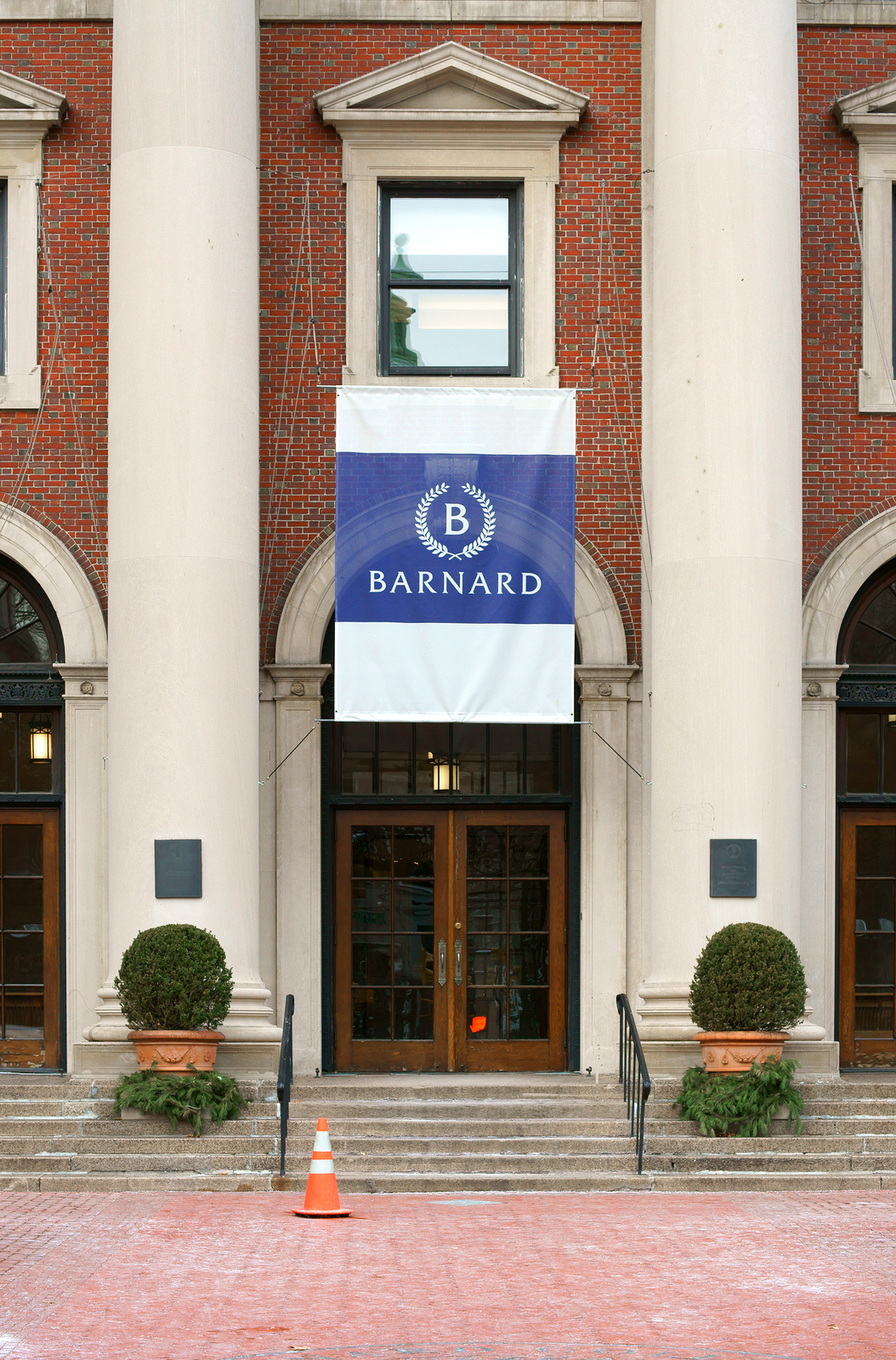
When you think of campus culture, what comes to mind? Hushed libraries? Bustling coffee shops? Or somewhere in between?
If you’re seeking a prestigious college experience that combines an intimate liberal arts education with the vibrant backdrop of life in New York City, Barnard College just might be your ticket. With famous alumni like author Zora Neale Hurston and movie director Greta Gerwig (among others), the school is well-known for producing accomplishments in the arts. Without doubt, the Barnard community provides a launching pad for excellence.
So what sets it apart? As one of the most selective women’s colleges in the nation, Barnard offers students a rare balance: both the nurturing environment of a small school and the world-class resources of the much larger Columbia University. And yet, despite its diminutive size, getting into Barnard is no small feat.
In this article, we’ll explore the Barnard acceptance rate, how the admissions process works, and what you can do to boost your chances of joining the next generation of bold Barnard scholars.
Barnard acceptance rate: how competitive is it in 2026?
Barnard isn’t just a gateway to New York City and female empowerment — it’s also one of the most selective colleges in the country. Sights set on enrolling in Barnard Blue? Prestigious is almost an understatement. The school has long held a reputation for academic excellence, and its popularity among top-tier students continues to rise.
Big news for 2026: Barnard did not publicly release its official acceptance rate for the Class of 2030 when decisions went out in late March 2026 — the second consecutive year of this practice. Worth noting: this follows Columbia University's recent pattern of withholding cycle-level admissions data. Based on prior cycles, reliable estimates place Barnard's Class of 2030 acceptance rate in the 8-10% range, making it one of the most competitive liberal arts colleges in the United States.
Let’s break down the numbers we do have from the most recently reported full cycle (Class of 2028):
- Total number of first-year applications: 11,836
- Admitted students: 1,046
- Overall admit rate: ~8.8%
- Class size: 719 enrolled
- Yield rate: 68.7% (more than double the national private college average of 33%)
- Applied through Early Decision: 1,694
- ED admit rate: 23.8% (403 admitted)
- RD admit rate: 6.3% (643 admitted from 10,142 applicants)
- Percent of class filled through Early Decision: 56%
Here's the kicker — for the Class of 2029, Barnard's August 2025 Convocation announcement confirmed an overall admit rate of approximately 10%, with 705 first-year students enrolling. The Class of 2030 admit rate hasn't been officially confirmed but is expected to be in a similar range based on application volume trends.
| Class of 2028 (most recent fully reported) | Class of 2029 (confirmed Aug 2025) | Class of 2030 (admitted March 2026) | |
|---|---|---|---|
| Total Applications | 11,836 | Not released | Not released |
| Total Admitted | 1,046 | Not released | Not released |
| Estimated Admit Rate | 8.8% | ~10% (confirmed) | Estimated 8-10% |
| Class Size Enrolled | 719 | 705 | TBD (likely ~720) |
| Yield Rate | 68.7% | TBD | TBD |
| SAT Middle 50% | 1470–1540 | Similar range | TBD |
| ACT Composite Middle 50% | 32–35 | 32–35 | TBD |
| GPA Estimate (Unweighted) | 3.9+ | 3.9+ | 3.9+ |
| % in Top 10% of High School Class | 91% | 91% | TBD |
| 2025-26 Cost of Attendance | $94,000-$96,000 | $94,000-$96,000 | $94,000-$96,000 |
To put this in context, just a decade ago, Barnard’s acceptance rate was over 20%. The steady drop in admission rates reflects a surge in applications as more students discover Barnard’s unique appeal: a powerhouse women’s college with Ivy League ties, set in the heart of Manhattan.

What GPA and test scores do you need for Barnard?
While there’s no formula to guarantee acceptance, we can look at the data for insights and patterns. This year, Barnard received nearly 12,000 first-year applications this cycle, reflecting a 30% increase over the past decade. So, what kind of academic profile do you need to stand out from the crowd?
Academic profile of admitted students (class of 2029):
- 91% in the top decile of their high school class rank
- SAT mid-50% range: 1470-1540
- ACT Composite mid-50% range: 32-35
Barnard remains test-optional, meaning students are not required to submit SAT or ACT scores. This puts Barnard at the opposite end of the spectrum from many of its peer schools — including Harvard, Yale, Princeton, Brown, Cornell, Dartmouth, MIT, Stanford, Caltech, and Georgetown — which have all returned to test-required admissions for the 2025-26 cycle. Worth knowing: submitting high scores can still be a plus, especially if your GPA or coursework isn't as strong as you'd like.
When it comes to GPA, while Barnard doesn't publish an exact average, most successful applicants report 3.9+ unweighted GPA, often paired with multiple AP, IB, or honors classes.
But, take heart: Barnard isn't just looking for perfect transcripts. Admissions officers look for students who demonstrate intellectual curiosity, academic rigor, and a desire to contribute meaningfully to the community. What does that look like? Self-motivated students who value intellectual depth, activism, and interdisciplinary exploration with an equity-driven mindset.
Holistic admissions at Barnard: more than just numbers
Numbers matter — but they don’t tell the full story. According to the college:
“In our holistic review of applicants, we looked at a wide range of elements, including personal essays, short-answer responses to open-ended questions, available academic opportunities and performance, optional testing data, and recommendation letters. This helped us identify and select a promising and talented group of students from a range of backgrounds and lived experiences.”
And for good reason. The women who enroll find themselves embedded in a much broader, cosmopolitan network of resources thanks to the partnership with Columbia.
So, what does that mean in practical terms?
What Barnard looks for in your application essays
Essays are your opportunity to show how your experiences and values align with Barnard’s university mission. The strongest applicants convey depth, reflection, and a sense of purpose in their work. When brainstorming essay topics, think about the bigger picture. Whether you’re writing about your research, social justice work, or a personal story of growth, admissions readers want to read amazing essays about:
- Clear goals and self-awareness
- Passion for learning
- A strong voice and writing style

How to showcase leadership and identity
Barnard values good leadership in many forms. You don’t need to be study body president at your high school, but you should show initiative and impact. Whether you’ve led a robotics team, launched a nonprofit, or supported your family through life challenges, what matters most is how you’ve grown and what you want to do next.
As a women’s college, Barnard is especially committed to applicants to care about equity, empowerment, and intellectual freedom. How have your lived experiences influenced you, and how can they inform your application narrative?
Early Decision at Barnard: does it help?
Over half (56%) of the most recent class was admitted through Early Decision (ED). While ED isn’t right for everyone, applying on this timeframe can boost your chances if Barnard is your clear first choice.
The gap between Barnard's ED and RD admit rates is dramatic. For the Class of 2028 (the most recently reported full cycle), ED admit rate was approximately 23.8% compared to just 6.3% for Regular Decision — a nearly 4x advantage for ED applicants. Now, you might be wondering whether ED is the right strategic move for you. The bottom line? If Barnard is your clear first choice and you're financially prepared to commit, ED gives you the strongest statistical advantage of any liberal arts college.
If you’re unsure about whether it’s a good idea for you to apply ED, work with a counselor to assess your readiness and fit. Keep in mind: ED is binding, so be confident in your choice.
Thinking of transferring to Barnard? Here’s what you need to know
Barnard isn’t just for first-years. Every year, dozens of students successfully transfer into this tight-knit academic community. Transfer admissions are slightly more forgiving than first-year admissions, but still selective.
Spring 2024 transfers
- Total number of applications: 208
- Admitted students: 44
- Admit rate: 21%
Fall 2024 transfers
- Total number of applications: 1,261
- Admitted students: 252
- Admit rate: 20%
To strengthen your transfer application, focus on the foundations:
- A strong GPA (3.7+ is most competitive)
- Clear reasons for transferring
- Clear fit with Barnard’s unique offerings
In this process, transfer students are also evaluated holistically. Be sure to showcase how your academic journey aligns with Barnard’s mission.
What makes Barnard unique? A campus like no other
Aside from the academics, Barnard’s location in New York City is only part of its charm. Life as a Barnard woman is full of opportunities to engage outside the classroom. The college fosters a sense of community that encourages bold thinking, creative exploration, and academic collaboration.
In view of this whimsical spirit, the mascot fits right in. If you visit, keep an eye out for Milie, the Dancing Bear, named after the university’s first president (Millicent Carey McIntosh).
Other notable features of the campus include:
- Athena Center for Leadership: Fosters leadership skills in women across disciplines
- Barnard-Columbia Partnership: Gives students access to Columbia’s classes, libraries, and student life
- The Milstein Center for Teaching and Learning: A hub for innovation in academic resources and tech
With over 50 majors, strong STEM offerings, and cross-registration with Columbia, Barnard students truly get the best of both worlds: a close-knit college and a world-class research university.
Barnard graduates receive both a Barnard diploma AND a Columbia University diploma, opening doors to networks at both institutions.
If you want perspective from the ground level, you can hear from Barnard students firsthand what they love about their school:
Barnard vs. Columbia: What’s the difference?
While Barnard students take classes at Columbia and receive a Columbia diploma, they apply through a distinct admissions process and are part of a women’s liberal arts college with its own faculty, campus, and core values. Therefore, Barnard offers a slightly different experience — more intimate and mentor-focused, yet balanced with full access to Ivy League resources.
Expert tips: unlocking Barnard College
Finally, tune in for a quick review of the advice our experts have for cracking the code at this unique school.
Avoid these pitfalls that can weaken your Barnard application:
- Generic supplemental essays that don’t reference Barnard’s specific culture or programs.
- Underselling your impact. Barnard values leadership and resilience.
- Missing the ED opportunity when Barnard is your clear top choice.
- Treating Barnard exactly like Columbia. While they share resources, Barnard has its own identity.
- Weak letters of recommendation from teachers who don’t know you well.
Instead, our admissions experts at Empowerly recommend these proven strategies:
- Prioritize academic rigor. Take the most challenging courses available to you. Barnard values intellectual risk-taking as well as top performance.
- Write essays that reflect your values. Don’t skim over your essays. Show how your background, identity, or goals connect with Barnard’s mission.
- Demonstrate your weirdness (aka culture fit and passion). Use supplemental essays to clearly articulate why Barnard is right for you.
- Apply early if you’re ready. If Barnard is your top choice, strongly consider Early Decision.
- Don’t overlook the recommendation letters. Choose teachers who can speak to your curiosity, leadership, and character.
Cost of Attendance & Financial Aid at Barnard for 2025-26
Now, here's something most Barnard admissions guides don't dive into — what you'll actually pay to attend. The sticker price is intimidating, but the real cost varies dramatically based on financial aid. Let's break down the 2025-26 numbers:
Sticker Price (2025-26)
- Tuition: approximately $68,500
- Fees: approximately $3,000
- Room and Board: approximately $20,500
- Books and Personal Expenses: approximately $2,000
- Total Cost of Attendance: approximately $94,000-$96,000 per year
What Most Students Actually Pay
Here's the kicker — Barnard meets 100% of demonstrated financial need for admitted students. The average aid package looks like this:
- Average need-based grant: approximately $66,000
- Percent of students receiving need-based aid: approximately 49%
- Net price for the average aided student: approximately $28,000-$32,000 per year
- Pell Grant recipients: approximately 18% of the student body
Major Financial Aid Programs
- Barnard Grant: Need-based institutional grants
- Federal Pell Grant: For income-eligible families
- Federal Work-Study: Campus employment opportunities
- Outside Scholarships: Barnard allows external scholarships to reduce work-study/loan portions
The bottom line? Barnard's sticker price approaches Ivy levels, but for many families, the net cost is significantly more manageable than it appears. Always run Barnard's Net Price Calculator before assuming you can't afford the school.
Barnard vs. Other Seven Sisters Schools: How Does It Compare?
Big news for 2026: Barnard is one of the historic Seven Sisters colleges — a group of elite historically women's colleges. But how does Barnard stack up against its peers? Here's a quick comparison:
| Recent Admit Rate | Location | Status | |
|---|---|---|---|
| Barnard | ~8-10% | NYC (Manhattan) | Women's college; Columbia partnership |
| Wellesley | ~13% | Boston suburbs | Women's college; standalone |
| Smith | ~23% | Western Massachusetts | Women's college; Five College Consortium |
| Mount Holyoke | ~38% | Western Massachusetts | Women's college; Five College Consortium |
| Bryn Mawr | ~32% | Philadelphia area | Women's college; Tri-College Consortium |
| Radcliffe | N/A | Cambridge, MA | Merged into Harvard (1999) |
| Vassar | ~17% | Hudson Valley, NY | Co-ed since 1969 |
The takeaway? Barnard is the most selective of the remaining women's colleges, driven largely by its NYC location and Columbia partnership. Worth knowing: while admit rates vary widely across the Seven Sisters, all offer outstanding liberal arts educations with strong outcomes. If Barnard's selectivity feels out of reach, the other Seven Sisters schools (especially Smith, Mount Holyoke, and Bryn Mawr) remain excellent alternatives with much higher admit rates.
What Current Barnard Students Actually Say
Let's hear from the people who would know best — current Barnard students. Here's a synthesis of recurring themes from 2025-26 student reviews on Reddit, Niche, and Unigo:
- "The Columbia partnership is the real deal." Students universally describe the cross-registration system as a defining feature — full access to Columbia classes, libraries, and student life.
- "NYC is the third roommate." Students consistently mention New York City's unmatched internship, cultural, and professional opportunities, with major employers (Goldman Sachs, Vogue, NBC, Google) recruiting heavily on campus.
- "The women's college community is supportive but not isolating." Many students describe the gender-focused environment as empowering without being insular, given the Columbia integration.
- "Class sizes are real." With about 2,700 undergrads, students get genuine professor mentorship — unusual for an NYC institution.
- "Pre-med is rigorous and well-supported." Barnard's pre-med program has strong med school placement rates with dedicated advising.
- "The cost is intense — but the financial aid is generous." Most students who get aid report being able to afford Barnard without taking on Ivy-equivalent debt.
- "Housing in NYC is the biggest stress." Off-campus housing in Morningside Heights and beyond is competitive and expensive.
The consistent thread? Students universally describe Barnard as demanding but rewarding. The recurring advice: visit campus before committing to ED, talk to current students, and understand that Barnard is genuinely both a women's college AND a Columbia experience — not one or the other.
To boldly go…
With an estimated acceptance rate under 9%, Barnard College is as selective as many Ivy League schools. But you don’t have to let the numbers intimidate you. With the right preparation, support, and insight, your application can rise to the top. More importantly, we can help you make the college admission process a tool for self-discovery and growth. So — ready for the ride of your life?
Whether you’re applying for the first time or considering a transfer, it helps to have expert guidance. That’s where Empowerly comes in. Book a free consultation today to work with admissions counselors who know what it takes to get into Barnard and other top-tier schools. Let’s map out your strategy for success — before the next deadline hits.